White Plains mold
A wet White Plains basement outside the flood map still has a source
(315) 640-3590 Tap to call
Your White Plains basement or apartment is wet, and everyone says you are outside the flood zone. Your description of what you saw gets the assessment booked first, then the cleanup or the drying.
White Plains house or apartment: the first job booked at your address carries $100 off your first job.
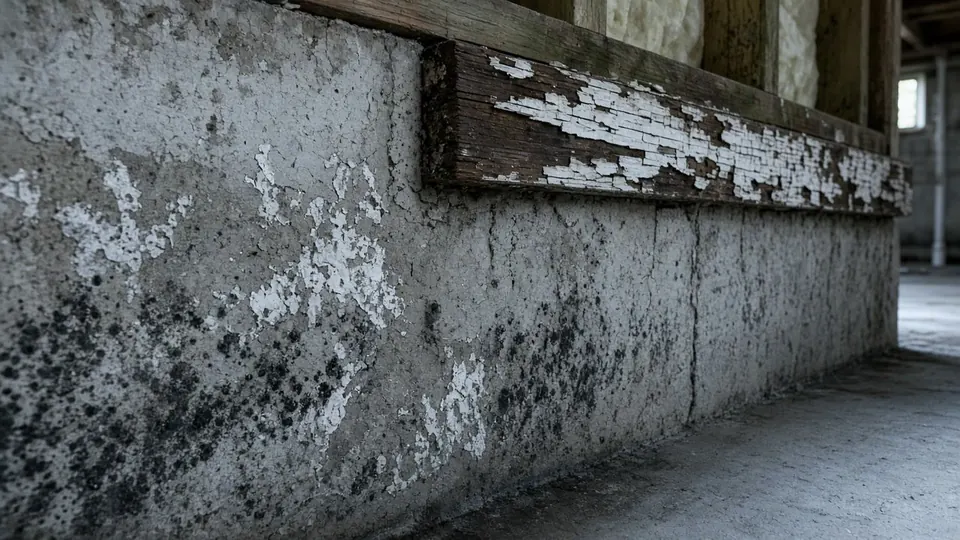
Four waters
Name the water before the job
Sound surge
Sound Shore
Tidal Hudson
River towns
Brook or riverYour water
Valley towns
Groundwater or rain
Higher ground and north county
Water note
Before anyone opens a wall in White Plains
Eight things to settle first. A phone and a tape measure are enough.
We help you pin down what water reached the house, then book the assessment first and the cleanup or drying after, with separate New York companies as state law requires.
Start your water note
Tell us what you know about the water. Sending it commits you to nothing.
The Westchester water-first promise
- You pay us nothing to ask, and you owe us nothing after.
- We start with the water before anyone quotes a removal.
- Your assessor will never be the company doing the cleanup.
- Your $100 is credited exactly as our Terms describe.
Whoever does the work answers to you under your own contract with them.
Mold Removal Westchester County, (315) 640-3590
$100 off your first job
The $100 is credited once your first Westchester job is booked.
- We pay the $100, and the contractor's price stays the same.
- One credit for each customer at each address.
- Book the job on or before December 31, 2026.
- Tell us about the credit when you book.
Questions
What White Plains owners ask first
- 1
I rent a White Plains apartment and see mold. Who do I call first?
Your landlord, in writing. Renters should go to the landlord first, the county health department says, and mold complaints belong with the local building department. Keep dated photos. If the landlord arranges the work, ask to see the assessor's written report.
- 2
My White Plains address is outside the flood zone. Can water still have caused this?
Yes. The county plan says urban flooding is not mapped and can occur outside the floodplain, and most of the city's rated paid claims fell outside the A and V zones. Tell the assessor what you saw rather than what the map says.
- 3
Do I need a lab test before I call anyone in White Plains?
Seldom. State labor officials see little need for mold testing in most cases. Put your money first into a written account of the moisture source and the rooms involved, then ask whether a sample would change anything.
- Write down what the water wasA river or sewer source changes the whole job.
- Measure the water line in inchesHeight shows which materials were wet.
- Note when it arrived and when it stoppedHours and days decide whether drying in place is still possible.
- List every material the water touchedPorous materials may have to come out.
- Photograph everything before anything movesPhotos help if you make an insurance claim.
- Ask for the New York mold license numberThe state has a public lookup to check it.
- Get the scope in writing before work startsA written plan lists rooms, methods and what comes out.
- Ask who assesses and who does the cleanupNew York requires two separate companies for mold.
Your water note
Four answers a contractor needs. Write them down before the first call.
What water was it?
Supply line, rain, stream, river, seawater or sewage?
The standard grades river, sea and sewer water as most contaminated. It is set on inspection.
How high did it get?
Find the line on the wall and measure it.
Height shows how much drywall and insulation got wet. Write it in inches.
How long did it sit?
Count the hours, days or weeks before anything dried.
EPA gives you 24 to 48 hours to dry wet materials. Past that, mold can grow.
What did it touch?
Drywall, insulation, carpet, framing, block, a furnace or a panel?
The standard asks which materials were affected. Porous ones may come out.
White Plains is a city of 27,561 housing units, and it splits almost evenly between owners and renters. Just over half of occupied homes, 51.0 percent, are owner occupied. The rest are rented. That split decides who makes the first call.
A tenant should put it to the landlord in writing and hold a dated copy. Start with the landlord, the county health department says; mold and other housing complaints then go to the local building department. If you own, the choice of assessor is yours. Either way, write down when the damp began.
Know the date the water came in?
Much of the city's housing is old. About 29.8 percent of the city's housing dates from before 1940, and 70.5 percent from before 1980. Give the assessor the building's age, since the trade standard counts it among the facts that set the kind of water.
Before you talk to anyone, work out one date: when did you last see the wall or floor dry? That date helps an assessor more than any theory. If you are unsure, say so, and write down what you do know, such as the last time the carpet felt normal under your feet.
Put the water line on paper.
A clear flood map and a wet basement can both be true
The county plan's map of 1 percent flood hazard areas holds only 0.1 percent of the city's buildings, the lowest share in the county. Do not read that as a promise about your basement, and do not let anyone tell you the water cannot be real.
The City of White Plains has 127 paid flood insurance claims on FEMA's record. Of the 97 carrying a rated zone, 85 sit in zones other than A and V. So most of the paid claims came from outside the zones the maps mark as high risk. Say how the water got in, whatever the map shows.
Wet wall, unsure where to begin?
Urban flooding is not mapped, the county plan adds, and it can happen outside the floodplain. It lists river-type zones only for White Plains, with no coastal one. Your question is rain, a river or a drain, not seawater. Say which you think it was, and ask the assessor to confirm it on the wall.
For permits and complaints, the City of White Plains has its own building department. Call there, and find out what paperwork it wants before any wall is opened.
Write down what you saw today.
A short sequence works in this city. Date the first sign, photograph it, and tell your landlord or book your own assessor. Then wait for the written report before you choose who does the removal or the drying. A contractor who pushes you to skip the report is asking you to skip the step that protects you. Write down which rooms the water reached, which floor each is on and which walls felt damp to the touch, then give that list to the assessor.
Basis: American Community Survey 2020-2024 5-year estimates, table B25034 (year structure built), US Census Bureau American Community Survey 2020-2024 5-year estimates, table B25003 (tenure), US Census Bureau
Not sure what water it was? Start here.
Three jobs
Three jobs for a White Plains house
Decide by what you see: an inspection to record the source, a removal plan for growing mold, or a dry-out for a wet floor and wall.
Mold Assessment and Water Source Check
The mapped flood share is 0.1 percent of buildings here. Most basement questions fall to the assessor's findings.
Mold Remediation Scoped to the Water
White Plains has 27,561 homes, 70.5 percent pre 1980. Ask any removal contractor about lead safe practice first.
Basement and Wall Dry-Out
The city's annex puts its Ida damage at $881,880. Tell the contractor when your water arrived.
Nearby
Towns close to White Plains
The Westchester water-first promise
- You pay us nothing to ask, and you owe us nothing after.
- We start with the water before anyone quotes a removal.
- Your assessor will never be the company doing the cleanup.
$100 off your first job
The $100 is credited once your first Westchester job is booked.
- We pay the $100, and the contractor's price stays the same.
- One credit for each customer at each address.
Name the water, then pick the job.