Guide
Which water is in your basement, and who says so?
(315) 640-3590 Tap to call
A contractor looked at your wet basement and said it all has to come out. Before you agree, ask one question: what kind of water was it? The answer decides which materials dry in place and which leave the house, and you can start writing it down today.
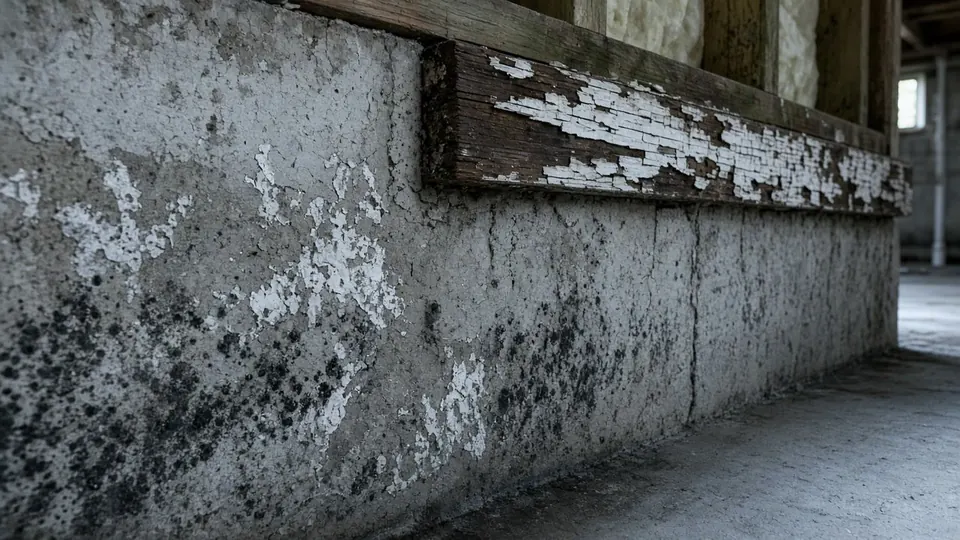
Start with four questions
Every good contractor call begins with the same four answers. What water was it? How high did it get? How long did it sit? What did it touch? You can answer most of them standing in the basement with a phone and a tape measure.
Write the answers in one place and give the same note to everyone you speak to. When the assessor, the cleanup company and your insurer all read the same account, nobody can quietly change the story.
Four waters can reach a Westchester house
The county hazard plan calls both the Hudson River shore and the Long Island Sound shore tidal. It also warns that groundwater can trouble a basement while the ground above stays unflooded. That gives you four situations to sort between:
- Surge from Long Island Sound after a coastal storm.
- Tidal Hudson water in the river towns.
- A brook or river that rose out of its banks in a valley.
- Groundwater or rain that came up through the slab or walls.
Pick the one that fits what you saw, then read the guide that goes with it. If two fit, write both down. Houses often get more than one.
What the water damage standard says about each
The industry's S500 water damage standard puts sewage in its most contaminated class, Category 3. Seawater flooding and rivers or streams that rise belong there too. That is the class that changes the job.
The standard's authors add that weather water is not automatically Category 3. Rain driven through a wall, or water that came down from above, can land lower. Someone has to inspect and make a first determination, so nobody can fairly name it from a doorway.
You do not have to learn the categories. You have to ask who set the one on your job, and what they looked at.
Why the category changes the work
With the dirtiest water, the standard puts remediation ahead of restorative drying, behind barriers and with protective gear for workers. In plain words, the cleanup comes first and the fans come after. Wet porous materials, like drywall, carpet pad and insulation, may be taken out rather than left to dry.
With cleaner water, drying may lead. If you catch it quickly, a good deal of the wall can stay.
So one wet basement can end in a two-day dry-out or in a full removal. If your quote does not say which water it assumes, send it back and ask.
Book the assessment first.
Time is the second question
EPA's guidance sets a clock of 24 to 48 hours for drying a soaked or damp material, and inside it mold usually stays away. Your note should record when the water arrived and when it stopped, as best you know.
Tell the contractor if the water sat for days before anyone noticed. That one fact moves the job from a drying question to an assessment question. If you were away and came home to the damage, say so and give your best guess at the date.
The information a contractor should ask you for
The standard names the facts that go into the category call. They are where the water started, when it came in, whether that source is now under control, any earlier water trouble in the building, which materials were hit and how old the structure is.
A contractor who asks you none of this before quoting is quoting blind. Use the list as a test. Count how many of those items your caller asked about, and weigh the quote accordingly.
What to do this week
- Write down what the water was, even if your answer is not sure yet.
- Measure the line on the wall in inches and photograph it.
- Note when the water came in and when it stopped.
- List every material that got wet, from carpet to the furnace.
- Hold off on discarding anything until it has been photographed.
- Ask each contractor which category they believe applies, and why.
- Send your note to us, and we book the assessment first so the plan comes before any cleanup. Not sure of an answer? Send the note as it is.
Walk the basement in this order
Start at the water line and work down. Measure it, photograph it and note the material it sits on. Move to the base of the wall and press the bottom plate. Check the stud bay with a flashlight through any open cut or outlet box. Finish at the slab, the window wells and the sump.
Each stop answers one of your four questions. The line tells you how high. The plate and the bay tell you what the water touched. The slab tells you how long it sat. The wells and the sump point to where it came in.
Do not cut into a wall yourself to look. Leave that to the assessor, who knows what to do with what they find.
Know the date the water came in?
What to say on the first call
Keep it short and in order. Say what you think the water was and why. Give the height and the date. Say how long it stood. List what got wet. Then ask the caller two things: which category they would assume, and what they would want to see before they quote.
A good contractor welcomes those questions. A poor one talks over them. You learn a lot from the first two minutes.
Four wrong assumptions
- It rained, so it must be rain water. The standard says weather water is not automatically the worst category, but it does not make it clean either.
- Nothing smells, so nothing grew. Growth can sit behind a finished wall for weeks.
- It dried by itself, so we are done. Dry surfaces can still hide wet material behind them.
- The map says no flood zone, so the water was clean. A zone is a label for insurance, not a reading of your water.
Drop each of these from your thinking and ask for the evidence instead.
Update your note when the facts change
You may learn something new a week later. A neighbor says the water stood longer than you thought. A plumber finds a failed valve. The sump turns out to have lost power during the storm. Add each fact to the note with its date, and send the new version to the assessor and the contractor.
A note that changes is not a weak note. It shows the assessor how your understanding moved, and it keeps the category question honest.
When you do not know the source
Many homeowners cannot say what the water was. That is a normal answer, and it is the reason the assessment comes first. An assessor can read the stains, the silt, the smell and the path the water took, and they put it in writing.
Do not let anyone tell you it is clean water because nobody saw it come in. Ask the assessor to set the category after looking, then book the cleanup or the drying to match.
Basis: ANSI/IICRC S500 Consensus Body, Category of Water Damage and Weather-related Events position statement A Brief Guide to Mold, Moisture and Your Home, US EPA
Four waters
Which water got in? Start there.
Choose the picture closest to your basement. Each points to the job to read first.
Sound surge
Sound Shore
Tidal Hudson
River towns
Brook or river
Valley towns
Groundwater or rain
Higher ground and north county
Water note
Before anyone opens a wall
Eight things to settle first. A phone and a tape measure are enough.
We help you pin down what water reached the house, then book the assessment first and the cleanup or drying after, with separate New York companies as state law requires.
Start your water note
Tell us what you know about the water. Sending it commits you to nothing.
The Westchester water-first promise
- You pay us nothing to ask, and you owe us nothing after.
- We start with the water before anyone quotes a removal.
- Your assessor will never be the company doing the cleanup.
- Your $100 is credited exactly as our Terms describe.
Whoever does the work answers to you under your own contract with them.
Mold Removal Westchester County, (315) 640-3590
$100 off your first job
The $100 is credited once your first Westchester job is booked.
- We pay the $100, and the contractor's price stays the same.
- One credit for each customer at each address.
- Book the job on or before December 31, 2026.
- Tell us about the credit when you book.
- Write down what the water wasA river or sewer source changes the whole job.
- Measure the water line in inchesHeight shows which materials were wet.
- Note when it arrived and when it stoppedHours and days decide whether drying in place is still possible.
- List every material the water touchedPorous materials may have to come out.
- Photograph everything before anything movesPhotos help if you make an insurance claim.
- Ask for the New York mold license numberThe state has a public lookup to check it.
- Get the scope in writing before work startsA written plan lists rooms, methods and what comes out.
- Ask who assesses and who does the cleanupNew York requires two separate companies for mold.
Your water note
Four answers a contractor needs. Write them down before the first call.
What water was it?
Supply line, rain, stream, river, seawater or sewage?
The standard grades river, sea and sewer water as most contaminated. It is set on inspection.
How high did it get?
Find the line on the wall and measure it.
Height shows how much drywall and insulation got wet. Write it in inches.
How long did it sit?
Count the hours, days or weeks before anything dried.
EPA gives you 24 to 48 hours to dry wet materials. Past that, mold can grow.
What did it touch?
Drywall, insulation, carpet, framing, block, a furnace or a panel?
The standard asks which materials were affected. Porous ones may come out.
Start your water note and get the assessment booked.