Mamaroneck mold
Wet basement in Mamaroneck? Sort the Sound from the rain before you spend
(315) 640-3590 Tap to call
Your Mamaroneck basement took water and you do not know whether it came from the Sound, the storm drain or a pipe. Phone us or use the form, and we set the order the work follows.
Mamaroneck: $100 off your first job, applied at our end when the booking is made.

Four waters
Name the water before the job
Sound surgeYour water
Sound Shore
Tidal Hudson
River towns
Brook or river
Valley towns
Groundwater or rain
Higher ground and north county
Water note
Start the Mamaroneck water note
Eight things to settle first. A phone and a tape measure are enough.
We help you pin down what water reached the house, then book the assessment first and the cleanup or drying after, with separate New York companies as state law requires.
Start your water note
Tell us what you know about the water. Sending it commits you to nothing.
The Westchester water-first promise
- You pay us nothing to ask, and you owe us nothing after.
- We start with the water before anyone quotes a removal.
- Your assessor will never be the company doing the cleanup.
- Your $100 is credited exactly as our Terms describe.
Whoever does the work answers to you under your own contract with them.
Mold Removal Westchester County, (315) 640-3590
$100 off your first job
The $100 is credited once your first Westchester job is booked.
- We pay the $100, and the contractor's price stays the same.
- One credit for each customer at each address.
- Book the job on or before December 31, 2026.
- Tell us about the credit when you book.
Questions
Short answers for Mamaroneck homeowners
- 1
Is the Village of Mamaroneck the same as the Town of Mamaroneck?
No. The county lists separate building departments for the village and the town. The Rye Neck part of the village sits in the Town of Rye. Check which one covers your address.
- 2
Does Mamaroneck's high flood-area share mean my house had Sound water?
No. It is a village figure from the county plan, not a finding about your house. An assessor sets the water category after looking at the actual damage.
- 3
I rent in Mamaroneck. Do I need to tell the landlord about past water?
Yes. Put what you saw in writing with dates. County law requires a flood history form for prospective tenants, so a clear record helps both sides.
- 4
Who takes a mold complaint in Mamaroneck village?
Start with the village building department. The county health department leaves housing mold to others and refers owners to the local office and professionals.
- Write down what the water wasA river or sewer source changes the whole job.
- Measure the water line in inchesHeight shows which materials were wet.
- Note when it arrived and when it stoppedHours and days decide whether drying in place is still possible.
- List every material the water touchedPorous materials may have to come out.
- Photograph everything before anything movesPhotos help if you make an insurance claim.
- Ask for the New York mold license numberThe state has a public lookup to check it.
- Get the scope in writing before work startsA written plan lists rooms, methods and what comes out.
- Ask who assesses and who does the cleanupNew York requires two separate companies for mold.
Your water note
Four answers a contractor needs. Write them down before the first call.
What water was it?
Supply line, rain, stream, river, seawater or sewage?
The standard grades river, sea and sewer water as most contaminated. It is set on inspection.
How high did it get?
Find the line on the wall and measure it.
Height shows how much drywall and insulation got wet. Write it in inches.
How long did it sit?
Count the hours, days or weeks before anything dried.
EPA gives you 24 to 48 hours to dry wet materials. Past that, mold can grow.
What did it touch?
Drywall, insulation, carpet, framing, block, a furnace or a panel?
The standard asks which materials were affected. Porous ones may come out.
The Village of Mamaroneck has the highest share of buildings in the mapped 1 percent flood area anywhere in Westchester: 1,035 of 5,699, or 18.2 percent. FEMA's paid flood insurance claims point the same way. The village has 1,766 of them, more than any other place in the county. Read that as a practical hint, not a verdict on your street. A house here may already have a written damage history, so ask for it before you pay for work.
Know the date the water came in?
Next, figure out which water you had. The county plan says both Westchester shorelines are tidal, so the Sound is one candidate. Rain and drains are another, since the plan says urban flooding is not mapped by FEMA and can happen outside the floodplain. The water damage standard puts river, sea and sewer water in its most contaminated category, and says weather alone does not decide it. A look at your house does.
Put the water line on paper.
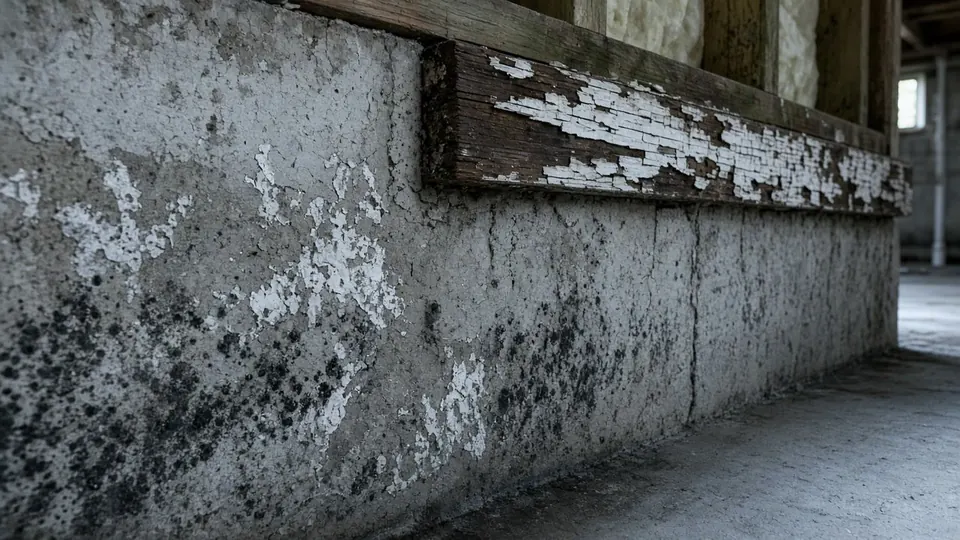
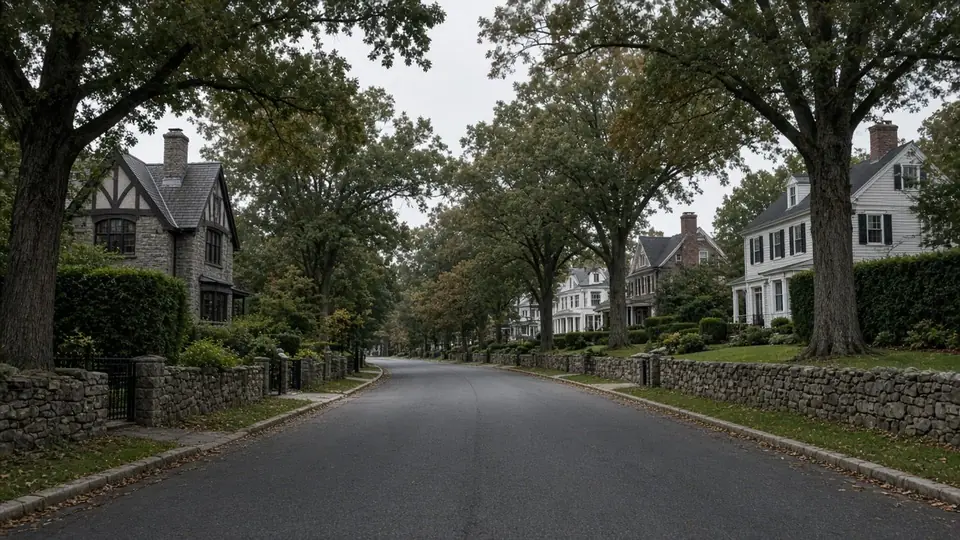
The housing here is old. Mamaroneck village has 7,858 housing units. Of those, 38.1 percent predate 1940, and 78.4 percent predate 1980. Prewar basements often hold finished rooms built over older masonry, and wet walls behind paneling go unnoticed for weeks. Tell the assessor if anyone finished your lower level.
More than four in ten occupied homes are rented. In the village, 56.8 percent are owner occupied and 43.2 percent are rented. Chapter 581 of county law puts a Flood History Disclosure Form in front of each prospective tenant. The form looks back ten years and asks how high any water rose. If you rent out or rent a place here, write down what you know about the water line now, while it is fresh.
Wet wall, unsure where to begin?
Village, town or Rye Neck: whose office is it?
Two building offices matter here. The county list gives the Village of Mamaroneck its own building department, and the Town of Mamaroneck has a separate one. The Rye Neck section of the village sits in the Town of Rye, which the county plan says relies on its villages instead of holding building authority itself. Tell the person you reach where your address falls, and confirm the office before you drive anywhere.
Write down what you saw today.
The county health department does not take housing mold complaints. It refers them to the building office and to professionals. So the order for your house is an assessor first, a separate removal company second, and drying whenever the water type allows. Pick the page below that fits today. Write the date on every photograph you take.
Basis: Westchester County Countywide Hazard Mitigation Plan Update 2021, Section 5.4.3 Flood OpenFEMA NFIP Claims v3 (data as of 2026-09-08), FEMA
Put the four questions on paper first.
Three jobs
The three jobs, Mamaroneck version
Start with whichever matches your day: wondering what you have, holding a written scope, or standing in water now.
Mold Assessment and Water Source Check
In the village, 38.1 percent of housing units predate 1940. Expect questions about past repairs.
Mold Remediation Scoped to the Water
Of 7,858 village housing units, 78.4 percent predate 1980. Old paint may be in your scope.
Basement and Wall Dry-Out
FEMA records 1,766 paid claims here, 107 from September 2023. Your house may have a history.
Nearby
Towns close to Mamaroneck
The Westchester water-first promise
- You pay us nothing to ask, and you owe us nothing after.
- We start with the water before anyone quotes a removal.
- Your assessor will never be the company doing the cleanup.
$100 off your first job
The $100 is credited once your first Westchester job is booked.
- We pay the $100, and the contractor's price stays the same.
- One credit for each customer at each address.
Book the assessment before the tear-out.