Pelham mold
Wet or musty in Pelham? Start with what kind of water it was
(315) 640-3590 Tap to call
Your Pelham basement is damp and nobody has told you what water it was. Tell us what you saw, and the assessment goes first, with the cleanup or drying lined up after it.
Pelham or Pelham Manor: $100 off your first job on your booking, from us.

Four waters
Name the water before the job
Sound surgeYour water
Sound Shore
Tidal Hudson
River towns
Brook or river
Valley towns
Groundwater or rain
Higher ground and north county
Water note
Four answers a Pelham contractor needs first
Eight things to settle first. A phone and a tape measure are enough.
We help you pin down what water reached the house, then book the assessment first and the cleanup or drying after, with separate New York companies as state law requires.
Start your water note
Tell us what you know about the water. Sending it commits you to nothing.
The Westchester water-first promise
- You pay us nothing to ask, and you owe us nothing after.
- We start with the water before anyone quotes a removal.
- Your assessor will never be the company doing the cleanup.
- Your $100 is credited exactly as our Terms describe.
Whoever does the work answers to you under your own contract with them.
Mold Removal Westchester County, (315) 640-3590
$100 off your first job
The $100 is credited once your first Westchester job is booked.
- We pay the $100, and the contractor's price stays the same.
- One credit for each customer at each address.
- Book the job on or before December 31, 2026.
- Tell us about the credit when you book.
Questions
What Pelham owners ask first
- 1
Which Pelham office handles mold or water complaints for my house?
It depends on your village. The county list gives the Village of Pelham and the Village of Pelham Manor each their own building department. Ask which village your address is in, then call that office. The county health department points housing complaints such as mold to the local building department.
- 2
My Pelham house is old and the basement smells. Do I need an air test first?
Usually not. State labor officials call air sampling unnecessary in the usual case. A short written note on where the moisture started, how long it lasted and the materials involved is stronger evidence. Share what you found and the assessor who writes that account gets booked.
- 3
Does a clear flood map mean my Pelham basement cannot get water?
No. The county plan names groundwater as a basement problem that needs no surface flooding at all. Tell the assessor about any damp, however small, and ask where it came from.
- Write down what the water wasA river or sewer source changes the whole job.
- Measure the water line in inchesHeight shows which materials were wet.
- Note when it arrived and when it stoppedHours and days decide whether drying in place is still possible.
- List every material the water touchedPorous materials may have to come out.
- Photograph everything before anything movesPhotos help if you make an insurance claim.
- Ask for the New York mold license numberThe state has a public lookup to check it.
- Get the scope in writing before work startsA written plan lists rooms, methods and what comes out.
- Ask who assesses and who does the cleanupNew York requires two separate companies for mold.
Your water note
Four answers a contractor needs. Write them down before the first call.
What water was it?
Supply line, rain, stream, river, seawater or sewage?
The standard grades river, sea and sewer water as most contaminated. It is set on inspection.
How high did it get?
Find the line on the wall and measure it.
Height shows how much drywall and insulation got wet. Write it in inches.
How long did it sit?
Count the hours, days or weeks before anything dried.
EPA gives you 24 to 48 hours to dry wet materials. Past that, mold can grow.
What did it touch?
Drywall, insulation, carpet, framing, block, a furnace or a panel?
The standard asks which materials were affected. Porous ones may come out.
Pelham's housing is old. Town-wide, 64.8 percent of the 4,436 housing units date from 1939 or earlier, the highest share of any Westchester town. Most occupied homes here are owned, 78.8 percent of them, so the decision about who to hire is probably yours to make.
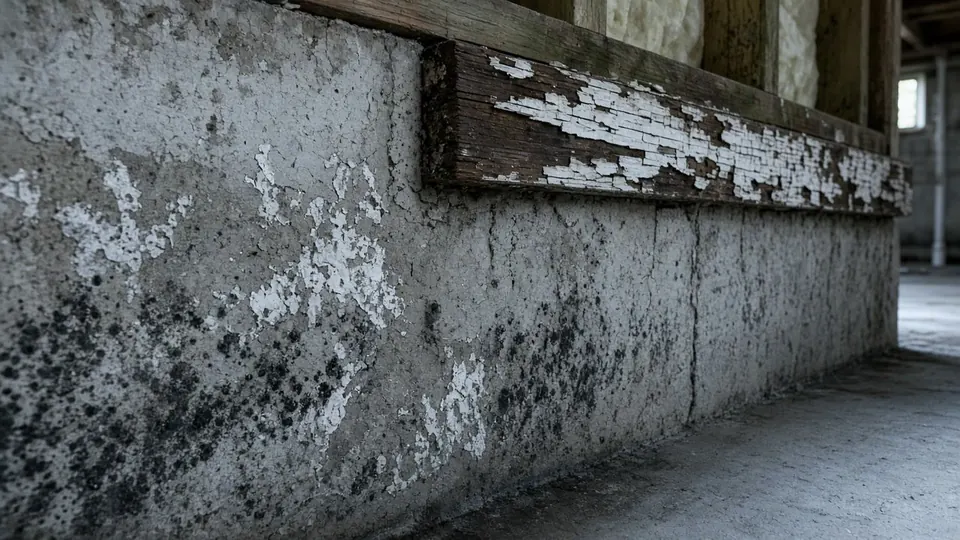
A house from that era has old foundation walls and decades of patched repairs. Water moves through them differently than through a newer wall. Tell the assessor the year your house went up, because the water standard lists the age of the structure among the facts used to decide what kind of water you have.
Write down what you saw today.
Pelham is one town made of two villages, the Village of Pelham and the Village of Pelham Manor. The county plan says the town does not join the flood insurance program on its own, so the figures are counted village by village. Each village has its own building department, one for each village. Ask which village your address sits in, then call that office about permits.
Send the four answers while they are fresh.
What the water record says, and what it leaves out
The county plan estimates that 2.1 percent of the Village of Pelham's buildings are in the mapped 1 percent flood area. For Pelham Manor the estimate is 4.9 percent. FEMA records 114 paid flood insurance claims across both villages, and 38 of them are dated to Ida.
The Village of Pelham told the county that flood damage is generally within the designated flood zones. Read that as the village's view of its map, not a statement about your basement. The county plan adds that groundwater alone can trouble a basement when no water has crossed the lot. Describe what you see and the assessor is booked first.
Check the wall before you hire anyone.
So the first job is plain. Tell the assessor how the water got in, when it happened and how long it sat. Sound surge, a seeping wall and a failed pump are three different jobs. The written answer decides whether wet materials can dry where they are or must come out first.
If you rent in Pelham, the county health department says to approach your landlord first. Put the problem to the landlord in a dated note with photos, and keep a copy.
Not sure what got wet? Say so.
Tenants and owners both gain from one habit. Write down what you see on the day you see it, and what anyone tells you about the cause. A short dated list beats a long memory when the assessor sits down with you. Write the date and a short description on the back of each printed photograph, or in the file name.
Basis: American Community Survey 2020-2024 5-year estimates, table B25034 (year structure built), US Census Bureau American Community Survey 2020-2024 5-year estimates, table B25003 (tenure), US Census Bureau
Put the four questions on paper first.
Three jobs
Pelham jobs in the order to book them
Pick the job that fits what you see: an inspection with a written scope, a removal plan for mold already on the walls, or a dry-out while the materials can still be saved.
Mold Assessment and Water Source Check
Pelham Manor has 108 of 2,219 buildings mapped. Tell the assessor which village you live in.
Mold Remediation Scoped to the Water
In town, 64.8 percent of homes are 1939 or older. Expect the removal scope to run through old walls.
Basement and Wall Dry-Out
FEMA lists 114 paid claims in both villages, 38 for Ida. Say where your water came from.
Nearby
Neighbors of Pelham
The Westchester water-first promise
- You pay us nothing to ask, and you owe us nothing after.
- We start with the water before anyone quotes a removal.
- Your assessor will never be the company doing the cleanup.
$100 off your first job
The $100 is credited once your first Westchester job is booked.
- We pay the $100, and the contractor's price stays the same.
- One credit for each customer at each address.
Name the water, then pick the job.