Westchester County
Mold Removal in Ossining, Rebuilt to Handle a Rising Hudson
If you are repairing a low lying Ossining property near the waterfront, build the new lower level to tolerate water, because that is where the Village is heading and it saves doing the job twice. The Village told the county that its 2021 Comprehensive Plan calls for limiting waterfront development and for flood adaptive construction in low areas at risk from sea level rise.
Request a quote in Ossining
Tell us the town, how the water got in, and how long it has been wet. Those three answers tell us what kind of water this was, and in Westchester the kind of water decides most of what the job involves.
Would you rather talk it through? Call (315) 640-3590.
$100 off your first job
Credited by us on your first booked job.
- One credit per customer per property, on your first booked job.
- Valid through December 31, 2026.
Mention this offer when you book. Full terms.
Rebuilding for the Ossining waterfront's future water
The Town and the Village of Ossining share one building department, at 101 Route 9A, so a permit question has one front desk whichever side of the line you are on. Near the river the long run matters: New York's sea level rule puts this stretch of the Hudson in a region projected to rise 16 inches by the 2050s, and the Village's own plan asks for flood adaptive construction in the low areas it names, among them Water Street and Havell Street. For a house there, that argues for concrete, tile and removable storage below grade rather than new drywall and carpet. Up the hill the picture is different. The Village took 6.48 inches of Ida rain and only 3 paid flood claims, and most of its claims were rated outside the mapped zones, so an upland Ossining basement is more likely taking runoff or groundwater. A third of village homes predate 1940, so check the foundation walls for seepage too.
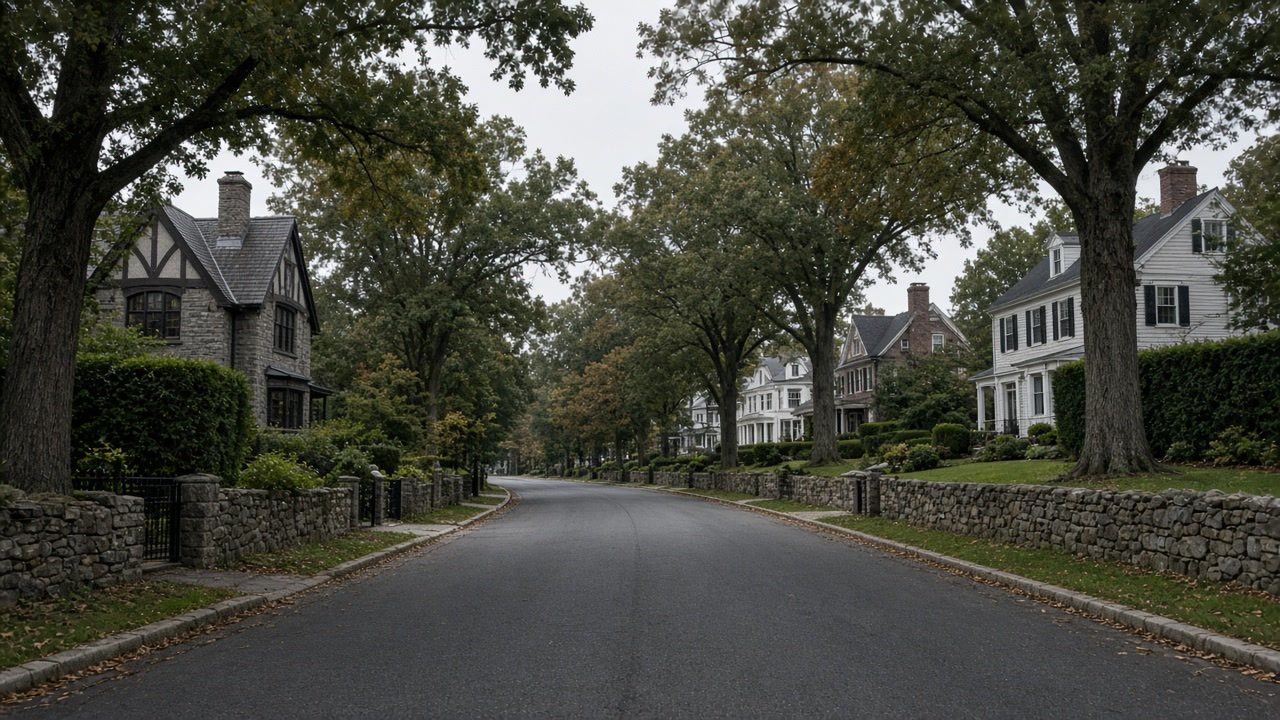
Down by the river or up the hill?
Tell us roughly where the house is and how the water arrived. The answer in Ossining changes what the lower level should be rebuilt with.
What we arrange for Ossining village and town properties
Mold Inspection and Assessment
Find out in writing what kind of water reached your Westchester home, how far into the building it got, and whether there is a mold job to do at all.
Mold Inspection in Ossining →Mold Remediation and Removal
Get the mold in your Westchester home removed by a licensed firm working to an independent assessor's written plan, with the moisture source named so the work is not undone.
Mold Remediation in Ossining →Water Damage Drying and Dry Out
Get a wet basement or room in your Westchester home dried properly before mold has a chance to start, in the order the kind of water calls for.
Water Damage Drying in Ossining →What Ossining's plan says about sea level rise

The Village of Ossining told the county that its 2021 Comprehensive Plan update refers significantly to sea level rise and calls for limiting development along the waterfront and for "flood adaptive construction in areas that are low lying and at risk of flooding associated with sea level rise".
Source: Westchester County Department of Planning, 2021 Westchester County Countywide Hazard Mitigation Plan, Section 9.37 Village of Ossining, accessed 2026-09-23
New York's sea level rise regulation, 6 NYCRR Part 490 as amended in 2024, places both of Westchester's coasts in one region: the Lower Hudson-New York City Region covers "the main stem of the Hudson River, south from the mouth of Rondout Creek at Kingston" and "the Long Island Sound in Westchester County". For that region the medium projection is 9 inches by the 2030s, 16 inches by the 2050s and 30 inches by the 2080s above the 1995 to 2014 baseline.
Source: New York State Department of Environmental Conservation, 6 NYCRR Part 490 Projected Sea Level Rise, Express Terms (adopted 2024), accessed 2026-09-23
The Village of Ossining listed its flood-prone areas for the county plan as Water Street, Westerly Road, Pine Avenue, Havell Street and Revolutionary Road, and said its flood maps adequately address its risk. The Town of Ossining named the Old Albany Post Road area near the Croton River.
Source: Westchester County Department of Planning, 2021 Westchester County Countywide Hazard Mitigation Plan, Section 9.37 Village of Ossining (and Section 9.18 Town of Ossining), accessed 2026-09-23
Per FEMA's NFIP claims records as of September 8, 2026, the Village of Ossining has 42 paid flood claims, 23 of the 34 with a recorded rated zone (68 percent) outside the A and V zones, and 3 paid claims for Ida, although the NWS reported 6.48 inches of Ida rain at Ossining.
Source: FEMA, OpenFEMA NFIP Redacted Claims v3 (dataset as of 2026-09-08), Westchester County, analyzed 2026-09-23, accessed 2026-09-23
In the 2020-2024 American Community Survey, Ossining village has 9,661 housing units; 32.2 percent were built in 1939 or earlier and 74.8 percent before 1980.
Source: U.S. Census Bureau, American Community Survey 2020-2024 5-year estimates, table B25034 Year Structure Built, accessed 2026-09-23
The Westchester County Department of Consumer Protection lists separate local building departments for the county's cities, towns and villages, including White Plains (70 Church Street), New Rochelle (515 North Avenue), Mount Vernon (1 Roosevelt Square), Port Chester (222 Grace Church Street), Peekskill (840 Main Street), Tarrytown (1 Depot Plaza), Sleepy Hollow (28 Beekman Avenue), Elmsford (15 South Stone Avenue), Yorktown (363 Underhill Avenue) and a joint Ossining Town/Village department at 101 Route 9A.
Source: Westchester County Department of Consumer Protection, Local Building Department Contact Information, accessed 2026-09-23
Send the Ossining details before you order drywall
We will point you at an independent assessor first, so the rebuild is scoped to the water you actually get.