Mold Inspection in Ossining, Riverfront or Hillside
A licensed assessor tells you whether the water in your Ossining house came off the Hudson or off the hill, and that sets everything after it.
Mold Inspection quote in Ossining
Tell us the town, how the water got in, and how long it has been wet. Those three answers tell us what kind of water this was, and in Westchester the kind of water decides most of what the job involves.
Would you rather talk it through? Call (315) 640-3590.
$100 off your first job
Credited by us on your first booked job.
- One credit per customer per property, on your first booked job.
- Valid through December 31, 2026.
Mention this offer when you book. Full terms.
Where Ossining's flood claims fell, and its named flood areas
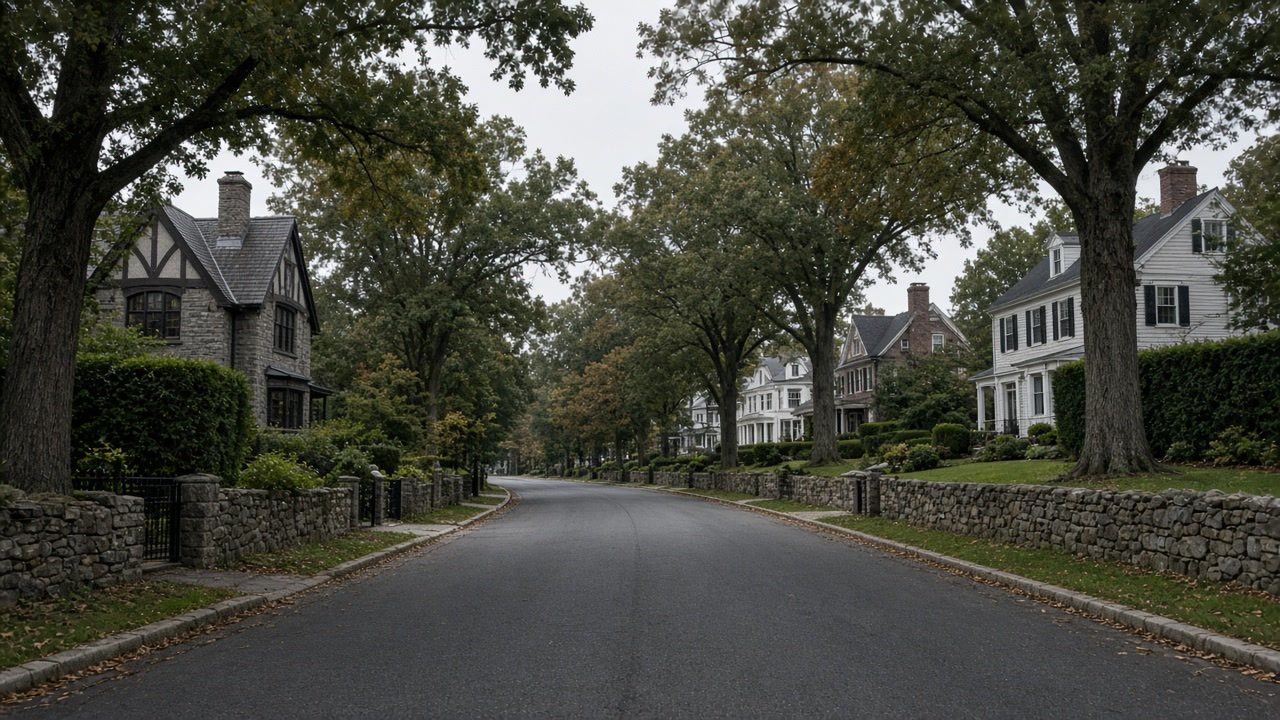
Per FEMA's NFIP claims records as of September 8, 2026, the Village of Ossining has 42 paid flood claims, 23 of the 34 with a recorded rated zone (68 percent) outside the A and V zones, and 3 paid claims for Ida, although the NWS reported 6.48 inches of Ida rain at Ossining.
Source: FEMA, OpenFEMA NFIP Redacted Claims v3 (dataset as of 2026-09-08), Westchester County, analyzed 2026-09-23, accessed 2026-09-23
The Village of Ossining listed its flood-prone areas for the county plan as Water Street, Westerly Road, Pine Avenue, Havell Street and Revolutionary Road, and said its flood maps adequately address its risk. The Town of Ossining named the Old Albany Post Road area near the Croton River.
Source: Westchester County Department of Planning, 2021 Westchester County Countywide Hazard Mitigation Plan, Section 9.37 Village of Ossining (and Section 9.18 Town of Ossining), accessed 2026-09-23
In the 2020-2024 American Community Survey, Ossining village has 9,661 housing units; 32.2 percent were built in 1939 or earlier and 74.8 percent before 1980.
Source: U.S. Census Bureau, American Community Survey 2020-2024 5-year estimates, table B25034 Year Structure Built, accessed 2026-09-23
Telling Hudson water from upland water in Ossining
What an Ossining inspection settles is where the water came from, and that is not obvious in a village that runs from the river's edge up steep streets. Tidal Hudson water along the low waterfront is graded as grossly contaminated; runoff or groundwater in a house up the hill usually is not, and is judged on inspection. The difference is the difference between removing a finished room and drying it. FEMA's records show 23 of the 34 Ossining village claims with a recorded zone, 68 percent, were rated outside the high risk zones, so the hillside gets wet too.
Ossining owners: is an inspection the right first call?
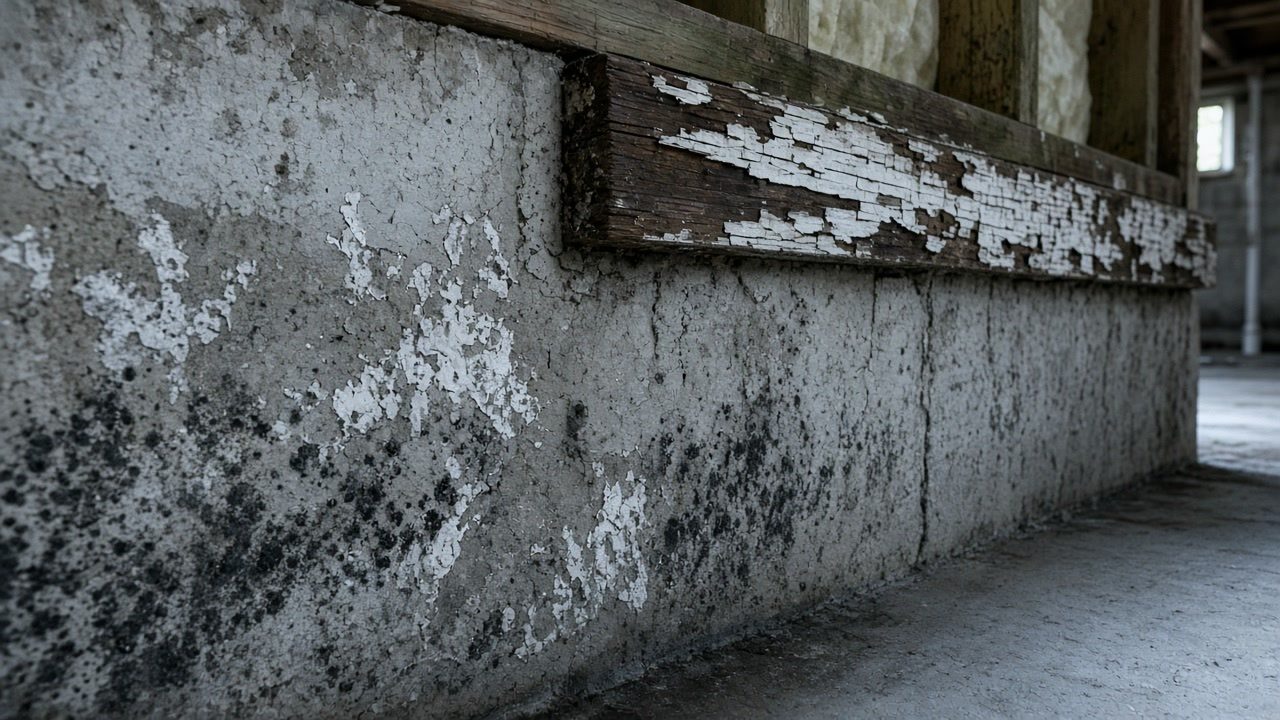
It is if the water reached finished space, if you cannot tell whether it was river water or runoff, or if growth has come back after cleaning. It is not if a small patch on a clean surface has an obvious cause; clean it and fix the cause. Near the flood prone areas the Village names, among them Water Street and Havell Street, river water is a live possibility and the plan will reflect it. Up the hill, the assessor should look at foundation walls too, because a third of village homes predate 1940.
Low ground or high ground
Tell the assessor roughly where the house sits. The Village's own list of flood prone areas is mostly near the water.
Old foundation walls
In a prewar house the assessor should check for seepage at the base of the walls, not just the obvious stain.
Before you order materials
Get the report before you buy drywall or flooring for the rebuild. The kind of water decides what should go back.
Is the Ossining house near the water?
Tell us roughly where it sits and how the water got in. We will arrange a licensed assessor, with no obligation.
Ossining removal and drying after the report
Ossining questions about inspections near the river
Does the Village think its flood maps are accurate?
The Village of Ossining told the county its maps adequately address its risk. Most of its paid claims were nonetheless rated outside the mapped zones, which points to water arriving from sources the map does not draw.
Does the Town of Ossining use a different office?
No. The Town and the Village share one building department at 101 Route 9A, so one office handles questions on either side of the line.
Tell us what you are seeing in Ossining
A person reads every request and replies with a straight answer on whether an inspection is worth booking.