Three jobs, one sequence
Three jobs, one order: the water first, then the work.
(315) 640-3590 Tap to call
You may need an assessment, a cleanup, a dry-out or two of them in a row. Tell us what water reached your house, and we book the one that has to come first.
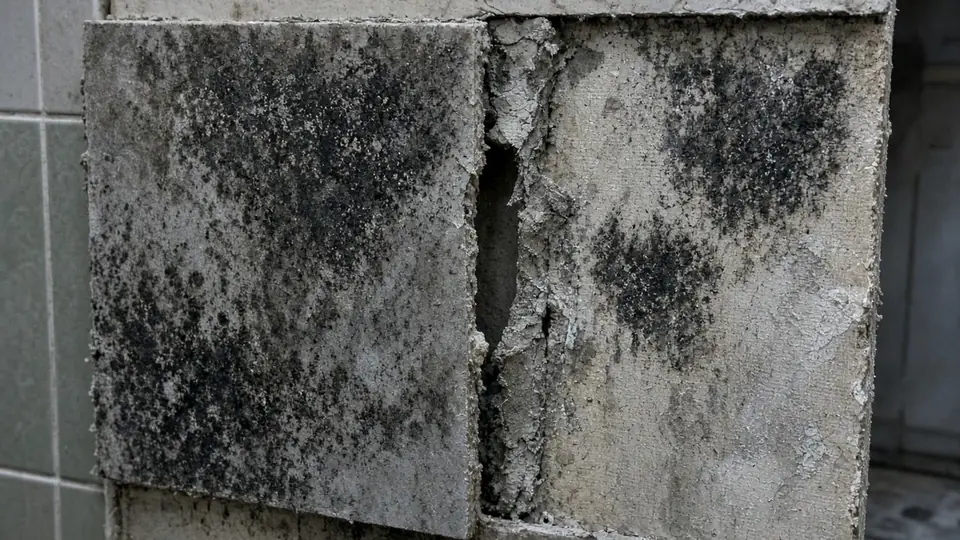
Four waters
Which water got in? Start there.
Choose the picture closest to your basement. Each points to the job to read first.
Sound surge
Sound Shore
Tidal Hudson
River towns
Brook or river
Valley towns
Groundwater or rain
Higher ground and north county
Water note
Before anyone opens a wall
Eight things to settle first. A phone and a tape measure are enough.
We help you pin down what water reached the house, then book the assessment first and the cleanup or drying after, with separate New York companies as state law requires.
Start your water note
Tell us what you know about the water. Sending it commits you to nothing.
The Westchester water-first promise
- You pay us nothing to ask, and you owe us nothing after.
- We start with the water before anyone quotes a removal.
- Your assessor will never be the company doing the cleanup.
- Your $100 is credited exactly as our Terms describe.
Whoever does the work answers to you under your own contract with them.
Mold Removal Westchester County, (315) 640-3590
$100 off your first job
The $100 is credited once your first Westchester job is booked.
- We pay the $100, and the contractor's price stays the same.
- One credit for each customer at each address.
- Book the job on or before December 31, 2026.
- Tell us about the credit when you book.
Questions
Straight answers on the water
- 1
Which of the three jobs do I book first?
Usually the assessment, because it names the source and writes the plan. If the water was clean and recent, drying may lead. Tell us what you saw and we sort the order.
- 2
Can one company do all three?
Not for the same property. The assessor and the remediator must be different firms. A drying company may also work on your job, and you should ask each company for its license number.
- 3
Do you do the work yourselves?
No. We are not the contractor. Separate New York companies do the assessment, the cleanup and the drying, and you contract with each of them. New York requires a mold license for the first two, so ask for the number.
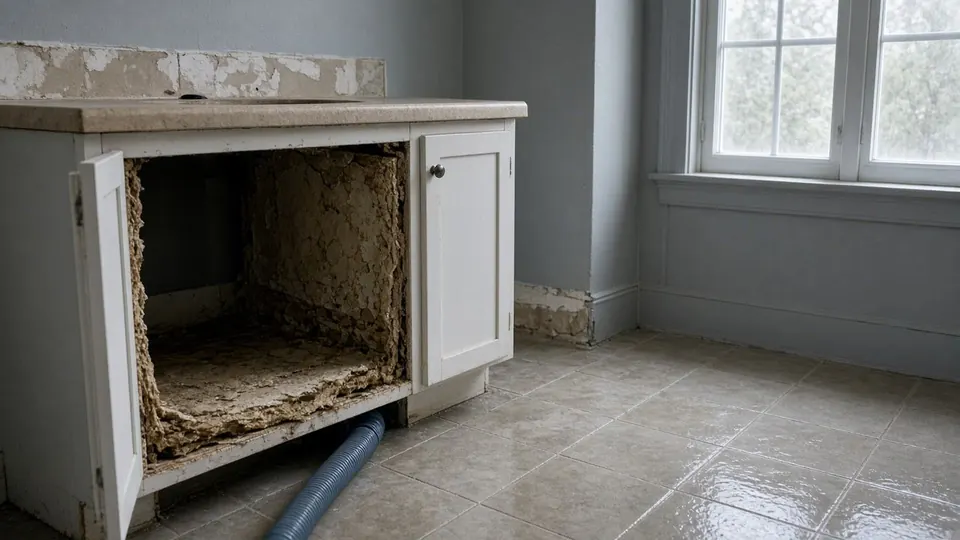
- Write down what the water wasA river or sewer source changes the whole job.
- Measure the water line in inchesHeight shows which materials were wet.
- Note when it arrived and when it stoppedHours and days decide whether drying in place is still possible.
- List every material the water touchedPorous materials may have to come out.
- Photograph everything before anything movesPhotos help if you make an insurance claim.
- Ask for the New York mold license numberThe state has a public lookup to check it.
- Get the scope in writing before work startsA written plan lists rooms, methods and what comes out.
- Ask who assesses and who does the cleanupNew York requires two separate companies for mold.
Your water note
Four answers a contractor needs. Write them down before the first call.
What water was it?
Supply line, rain, stream, river, seawater or sewage?
The standard grades river, sea and sewer water as most contaminated. It is set on inspection.
How high did it get?
Find the line on the wall and measure it.
Height shows how much drywall and insulation got wet. Write it in inches.
How long did it sit?
Count the hours, days or weeks before anything dried.
EPA gives you 24 to 48 hours to dry wet materials. Past that, mold can grow.
What did it touch?
Drywall, insulation, carpet, framing, block, a furnace or a panel?
The standard asks which materials were affected. Porous ones may come out.
Three jobs
The three jobs, in the order to book them
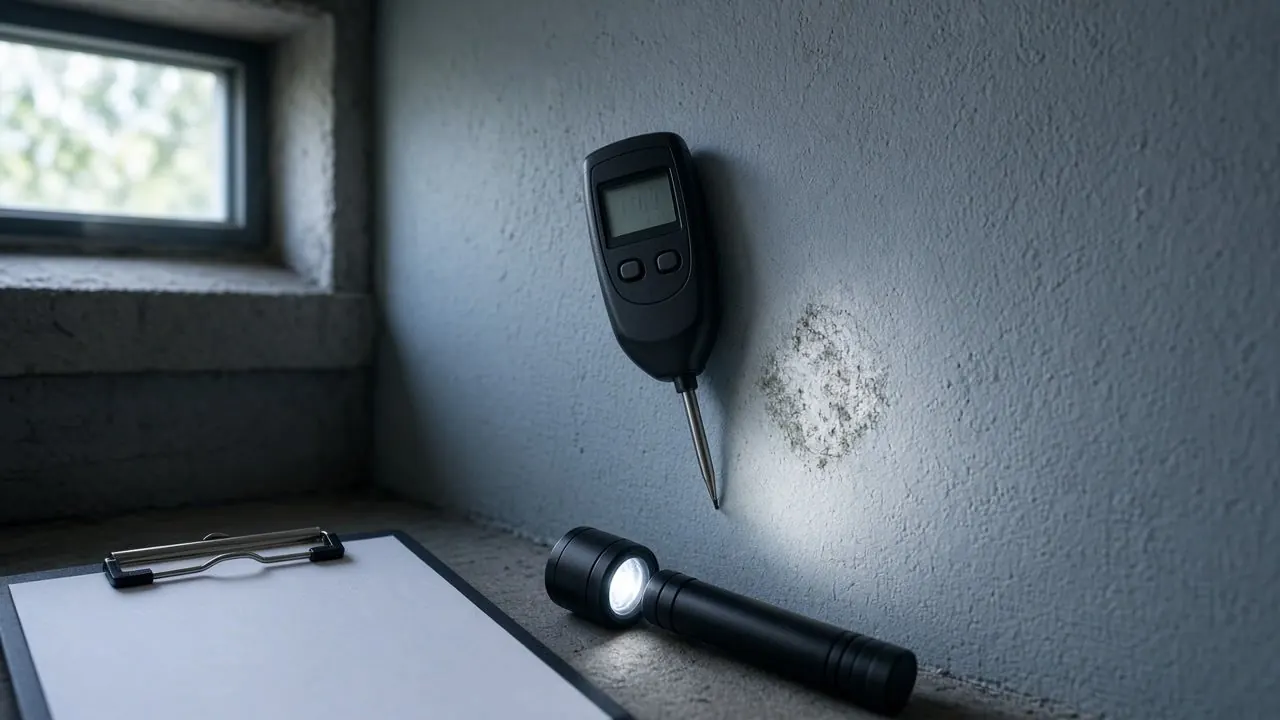
Mold Assessment and Water Source Check
Find the source of the mold and get a written plan.
Looks hardest at Groundwater or rain
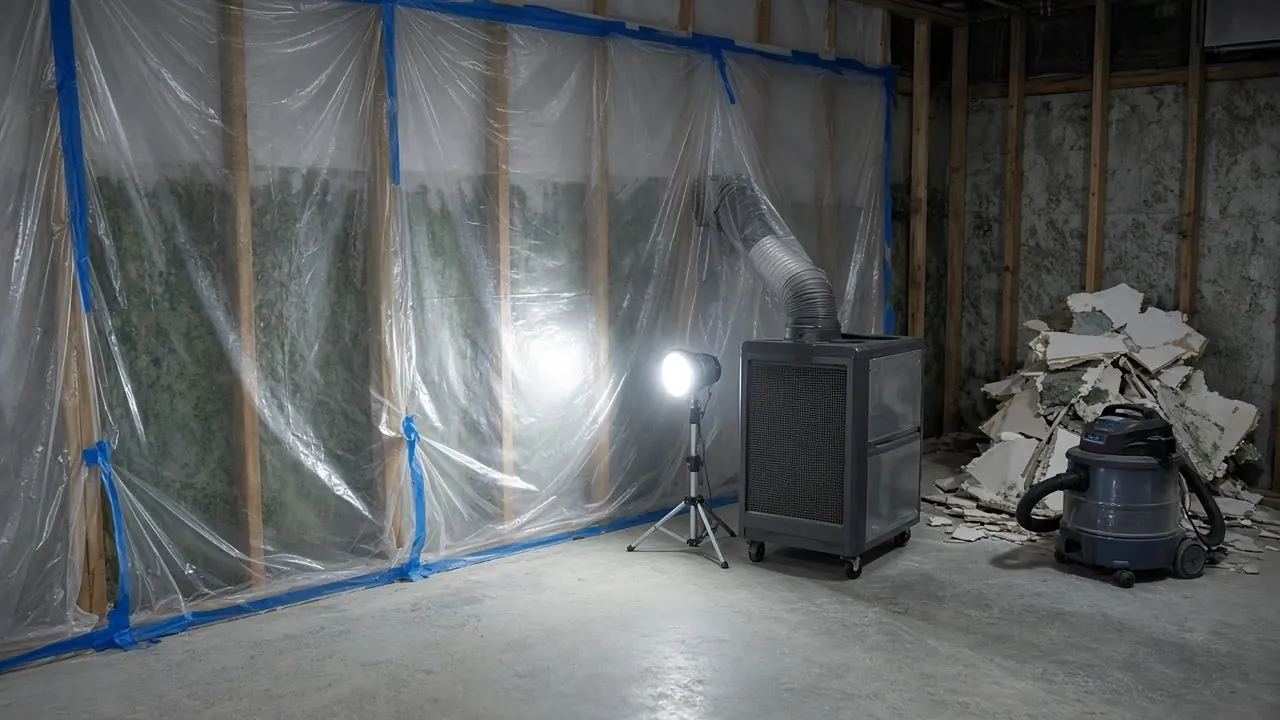
Mold Remediation Scoped to the Water
Book removal sized to the water and the written plan.
Looks hardest at Sound surge
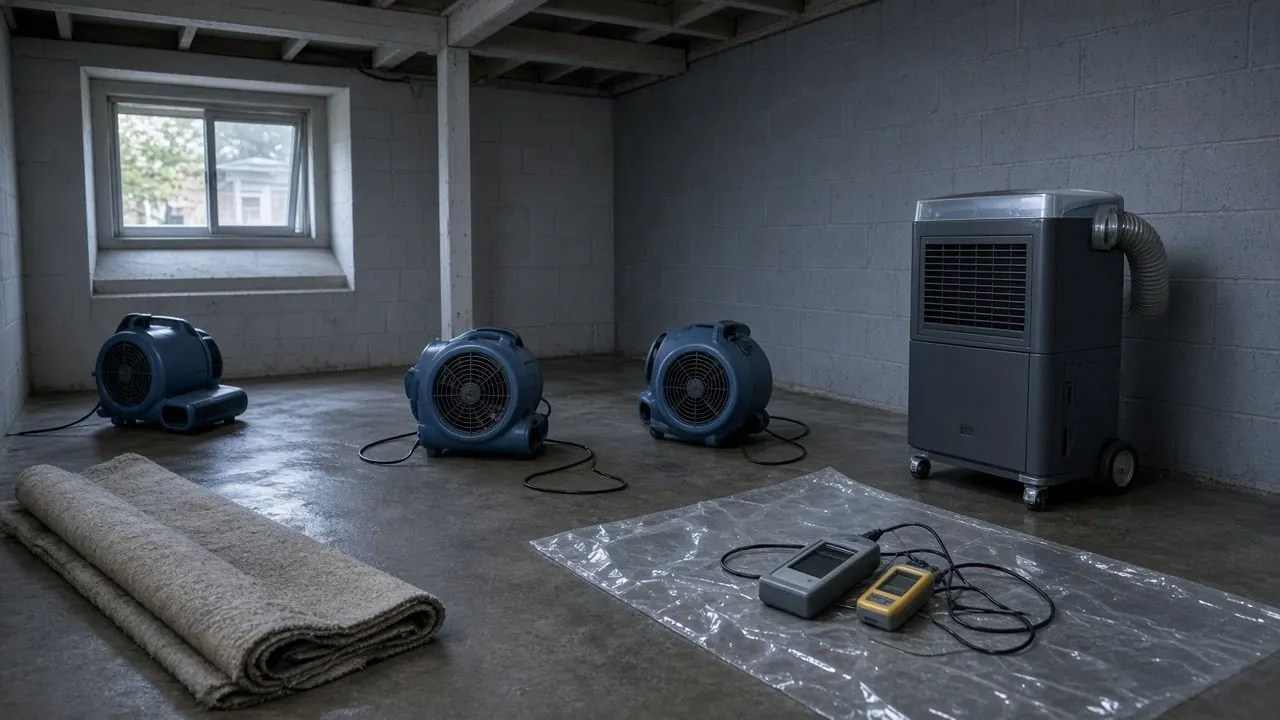
Basement and Wall Dry-Out
Dry wet walls and floors in the right order.
Looks hardest at Groundwater or rain
Your situation
Which one is yours
Mold on the wall, no leak in sight
Book the assessor to find where the moisture came from.
A written plan is in your hand
Find a company with a New York mold license, and hold it to the list.
Clean water, fresh, still wet
Dry fast, and note the hour the water came in.
A removal quote arrived first
Ask for the assessment behind it before you sign.
Sewage or river water touched the walls
Removal comes before drying, so book the assessor, then the cleanup.
Walls feel dry but the air stays damp
Ask for daily readings and a humidity target.
How it runs
How the sequence runs
- 01
Tell us the water
Send what it was, how high it got and how long it sat.
- 02
Book the assessment first
The assessor finds the source and writes the plan before any cleanup.
- 03
Choose cleanup or drying
A separate company carries out the plan, and you pick it. The assessor decides whether the finished work passes.
Tell us what water it was.
Westchester mold work runs in a sequence. The assessor looks at the house and writes a plan. A separate company carries out the plan. Drying fits in either before or after, depending on the water. Each job has its own page, and each tells you what to ask.
Read the Mold Assessment and Water Source Check page if you have mold and no explanation, or if a contractor quoted removal without a plan. Read Mold Remediation Scoped to the Water if you hold a plan and need a company to carry it out. Read Basement and Wall Dry-Out if water came in recently and the walls are still wet.
Why are these separate companies? One license holder may not take on both the assessment and the cleanup at the same address. That protects you, because the person who writes your plan gains nothing from a larger cleanup. You book them in order, and we arrange the sequence.
Not sure which one is next? Send your water note, or call and say what you saw.
The Westchester water-first promise
- You pay us nothing to ask, and you owe us nothing after.
- We start with the water before anyone quotes a removal.
- Your assessor will never be the company doing the cleanup.
$100 off your first job
The $100 is credited once your first Westchester job is booked.
- We pay the $100, and the contractor's price stays the same.
- One credit for each customer at each address.
Name the water, then pick the job.