Westchester County
Mold Removal in Yorktown After the Brooks Rise
Yorktown floods on its own storms, not the Sound Shore's, so judge a wet basement by what the local brooks and lakes did rather than by headlines from the south of the county. FEMA's records show the town's busiest flood claim years were 1999, 2011 and 2023, with only 6 paid claims for Ida.
Request a quote in Yorktown
Tell us the town, how the water got in, and how long it has been wet. Those three answers tell us what kind of water this was, and in Westchester the kind of water decides most of what the job involves.
Would you rather talk it through? Call (315) 640-3590.
$100 off your first job
Credited by us on your first booked job.
- One credit per customer per property, on your first booked job.
- Valid through December 31, 2026.
Mention this offer when you book. Full terms.
Stream and lake water in a postwar Yorktown basement
Yorktown's flooding comes down streams and out of lakes: the county plan puts 439 of its buildings in the mapped flood area, more than Port Chester or Peekskill, with no coastal zone at all. The Town also answered no when the county asked whether its maps capture the risk, naming Hunterbrook, Greenwood Street and localized flooding across the town, so an out of zone address is not proof of a dry basement. The housing makes the job fairly predictable. Only 9 percent of Yorktown homes predate 1940, so most have poured or block foundations and finished lower levels of drywall and carpet, and after stream water those are removed rather than dried because rising stream water falls in the trade's most contaminated class. Permits for rebuilding go to the Town building department at 363 Underhill Avenue.
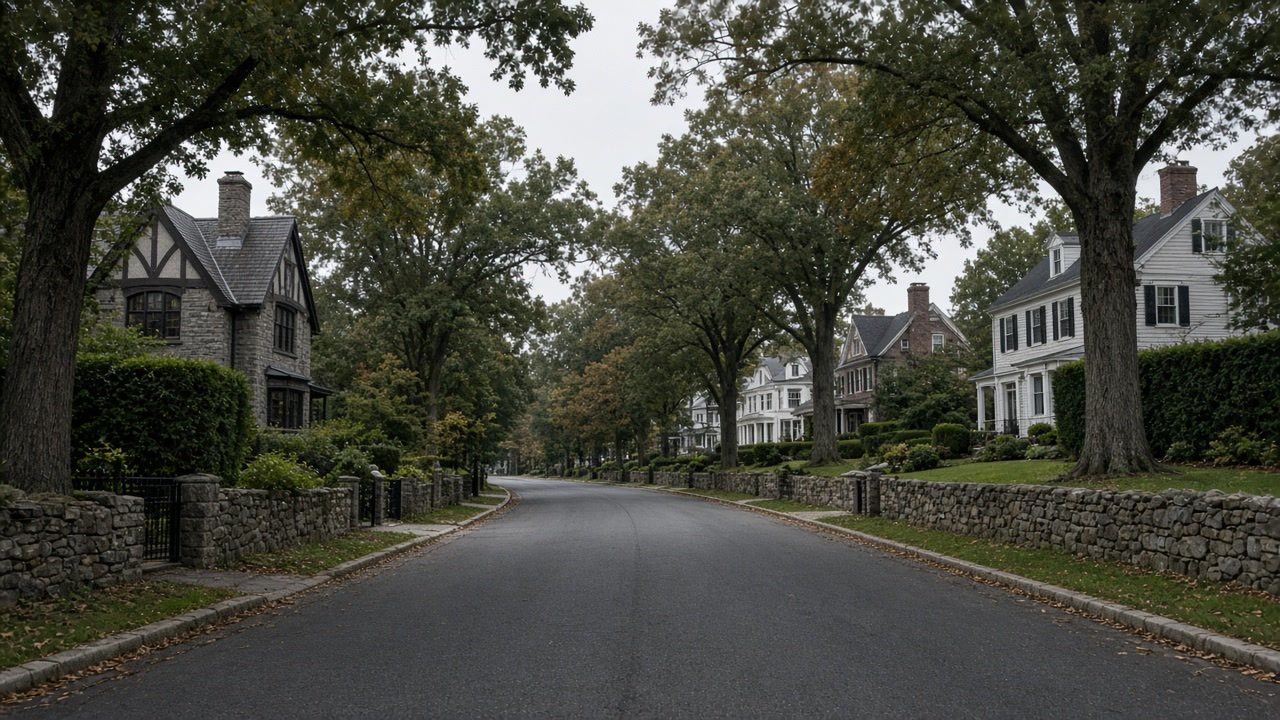
Which storm, and which brook?
Tell us when the water came and whether a stream or lake is near the house. That is most of what it takes to scope a Yorktown job.
What we arrange for Yorktown homes near its brooks and lakes
Mold Inspection and Assessment
Find out in writing what kind of water reached your Westchester home, how far into the building it got, and whether there is a mold job to do at all.
Mold Inspection in Yorktown →Mold Remediation and Removal
Get the mold in your Westchester home removed by a licensed firm working to an independent assessor's written plan, with the moisture source named so the work is not undone.
Mold Remediation in Yorktown →Water Damage Drying and Dry Out
Get a wet basement or room in your Westchester home dried properly before mold has a chance to start, in the order the kind of water calls for.
Water Damage Drying in Yorktown →Yorktown's own flood years, and the storms that caused them
Per FEMA's NFIP claims records as of September 8, 2026, the Town of Yorktown has 140 paid flood claims; its busiest loss years are 1999 (23 claims), 2011 (20) and 2023 (19), and it had 6 paid claims for Ida.
Source: FEMA, OpenFEMA NFIP Redacted Claims v3 (dataset as of 2026-09-08), Westchester County, analyzed 2026-09-23, accessed 2026-09-23
The county plan estimates 439 of Yorktown's 13,922 buildings, 3.2 percent, are in the mapped 1 percent annual chance flood area, more buildings than Port Chester or Peekskill, though Yorktown has no coastal VE zone and no buildings in the SLOSH Category 1 storm surge area.
Source: Westchester County Department of Planning, 2021 Westchester County Countywide Hazard Mitigation Plan, Section 5.4.3 Flood, Table 5.3.2-6, accessed 2026-09-23
Asked whether its flood hazard maps adequately address flood risk, the Town of Yorktown answered "No" in the county plan, naming localized flooding at Hunterbrook, Greenwood Street and "multiple areas of localized flooding distributed across the Town", and said it does not maintain a list of flood-damaged properties.
Source: Westchester County Department of Planning, 2021 Westchester County Countywide Hazard Mitigation Plan, Section 9.23 Town of Yorktown, accessed 2026-09-23
In the 2020-2024 American Community Survey, the Town of Yorktown has 13,599 housing units; only 9.0 percent were built in 1939 or earlier, while 70.0 percent were built before 1980.
Source: U.S. Census Bureau, American Community Survey 2020-2024 5-year estimates, table B25034 Year Structure Built, accessed 2026-09-23
The Westchester County Department of Consumer Protection lists separate local building departments for the county's cities, towns and villages, including White Plains (70 Church Street), New Rochelle (515 North Avenue), Mount Vernon (1 Roosevelt Square), Port Chester (222 Grace Church Street), Peekskill (840 Main Street), Tarrytown (1 Depot Plaza), Sleepy Hollow (28 Beekman Avenue), Elmsford (15 South Stone Avenue), Yorktown (363 Underhill Avenue) and a joint Ossining Town/Village department at 101 Route 9A.
Source: Westchester County Department of Consumer Protection, Local Building Department Contact Information, accessed 2026-09-23
Send the Yorktown details
We line up an independent licensed assessor and, only if the report calls for it, a separate licensed firm to do the removal.