Mold Remediation in Ossining, Village and Town
A licensed firm removes what the Ossining plan calls for, and whichever side of the town line you are on, the rebuild goes through one building department.
Mold Remediation quote in Ossining
Tell us the town, how the water got in, and how long it has been wet. Those three answers tell us what kind of water this was, and in Westchester the kind of water decides most of what the job involves.
Would you rather talk it through? Call (315) 640-3590.
$100 off your first job
Credited by us on your first booked job.
- One credit per customer per property, on your first booked job.
- Valid through December 31, 2026.
Mention this offer when you book. Full terms.
Ossining removal: the permit, the paint and the paperwork
Three checks before you approve a bid. Ask the joint Town and Village building department at 101 Route 9A whether your repair needs a permit. Ask the firm how it handles painted surfaces in a pre-1978 house. And if the plan's quantities look light or heavy, raise it with the assessor who wrote it, because the removal firm works to the plan and does not rewrite it. If the plan calls for less than you expected, that is the job.
One office for both
Town or Village address, permit questions go to the shared building department on Route 9A.
Lead-safe on old paint
A third of village homes are prewar. Ask the crew how it contains and cleans painted surfaces.
Photos before and after
Photograph each area before and after removal. It is your record of what was taken out and why.
Ossining's older housing and its shared building department
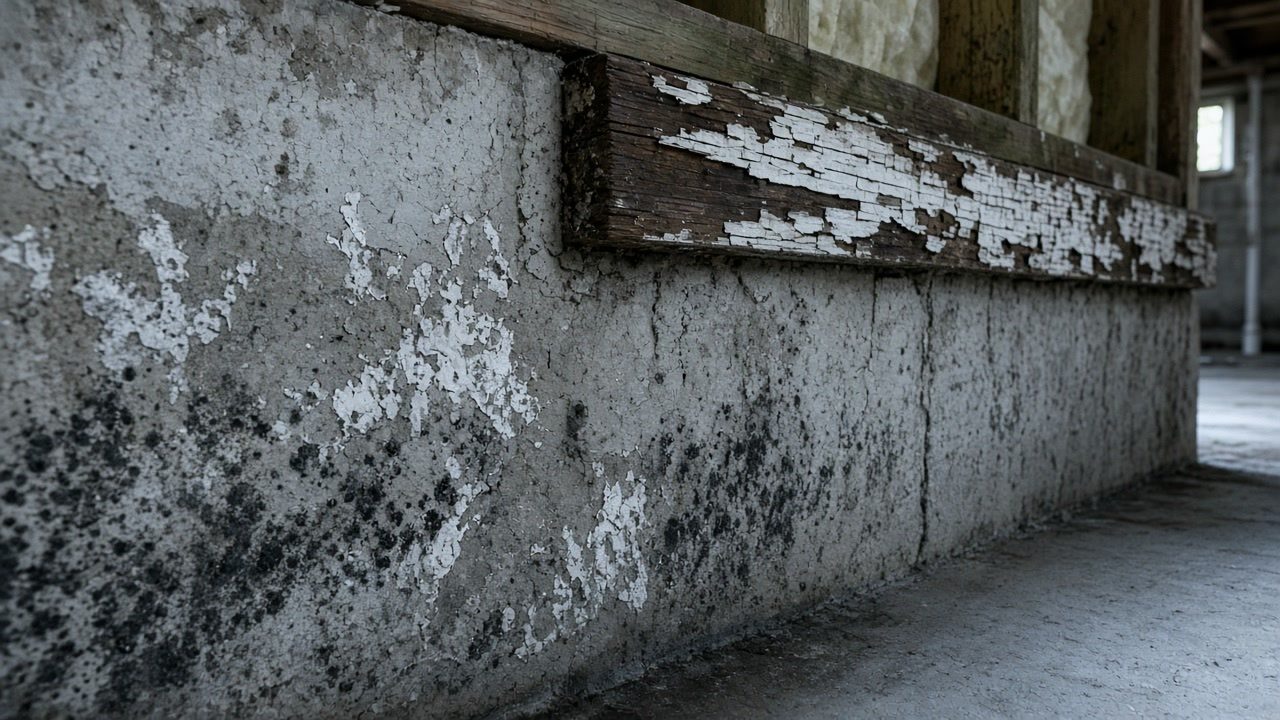
In the 2020-2024 American Community Survey, Ossining village has 9,661 housing units; 32.2 percent were built in 1939 or earlier and 74.8 percent before 1980.
Source: U.S. Census Bureau, American Community Survey 2020-2024 5-year estimates, table B25034 Year Structure Built, accessed 2026-09-23
The Westchester County Department of Consumer Protection lists separate local building departments for the county's cities, towns and villages, including White Plains (70 Church Street), New Rochelle (515 North Avenue), Mount Vernon (1 Roosevelt Square), Port Chester (222 Grace Church Street), Peekskill (840 Main Street), Tarrytown (1 Depot Plaza), Sleepy Hollow (28 Beekman Avenue), Elmsford (15 South Stone Avenue), Yorktown (363 Underhill Avenue) and a joint Ossining Town/Village department at 101 Route 9A.
Source: Westchester County Department of Consumer Protection, Local Building Department Contact Information, accessed 2026-09-23
EPA's Renovation, Repair and Painting Rule requires anyone paid to perform work that disturbs painted surfaces in homes, child care facilities and preschools built before 1978 to hold EPA lead-safe credentials under the rule and to follow lead-safe work practices. The Westchester County Department of Consumer Protection carries the same advisory for home improvement contractors.
Source: U.S. Environmental Protection Agency, Lead Renovation, Repair and Painting Program, accessed 2026-09-23
What mold remediation involves in Ossining

What an Ossining removal involves
The work follows the assessor's written plan: seal the affected area, take out the porous material that cannot be cleaned, HEPA clean the framing and masonry that stay, and leave it ready for an independent clearance. What comes out depends on the water. After the Hudson reaches a low lying basement, drywall, insulation and flooring below the line generally go. After seepage in an upland house, the removal may be one wall. A third of village homes were built in 1939 or earlier, so the crew should be ready for old plaster and painted trim, and lead-safe work on pre-1978 paint.
Is the Ossining plan written yet?
Send us what it covers. We arrange a licensed remediation firm to bid against it, with no obligation.
Ossining questions about removal and rebuilding
Does the removal firm fix the leak too?
No. The plan names the moisture source and the matching trade fixes it, whether that is a roofer, a plumber or a waterproofer. Removal without that step is removal you pay for again.
Will the plan say how long the removal takes?
Yes. New York requires the assessor's plan to include an estimated time frame for completion as well as an estimate of cost, so you know what to expect before the work starts.
Tell us about the Ossining removal
The rooms, the water and roughly when the house was built. No assessor yet? That comes first.