Mold Remediation in White Plains, to Plan and to Permit
A licensed firm takes out what the White Plains assessor's plan lists and nothing it does not, and the rebuild goes through the right city desk.
Mold Remediation quote in White Plains
Tell us the town, how the water got in, and how long it has been wet. Those three answers tell us what kind of water this was, and in Westchester the kind of water decides most of what the job involves.
Would you rather talk it through? Call (315) 640-3590.
$100 off your first job
Credited by us on your first booked job.
- One credit per customer per property, on your first booked job.
- Valid through December 31, 2026.
Mention this offer when you book. Full terms.
Before you approve a White Plains removal
Match the bid against the plan and ask about anything extra. Confirm the crew handles pre-1978 paint lead-safe if your house is that old. Ask the City of White Plains building office at 70 Church Street whether the repair after removal needs a permit, before anything is rebuilt. And if the source is a leak that has not been fixed, stop there: removing growth while water still arrives means paying for it twice.
Leak fixed first
A roof, a pipe or a window that is still letting water in makes any removal temporary. Fix it, then remove.
Pre-1978 paint
Ask how the firm contains and cleans painted surfaces in an older White Plains house.
City permit questions
The City Building Department answers whether your repair needs a permit. The removal firm should not guess for you.
White Plains housing age and the city permit desk
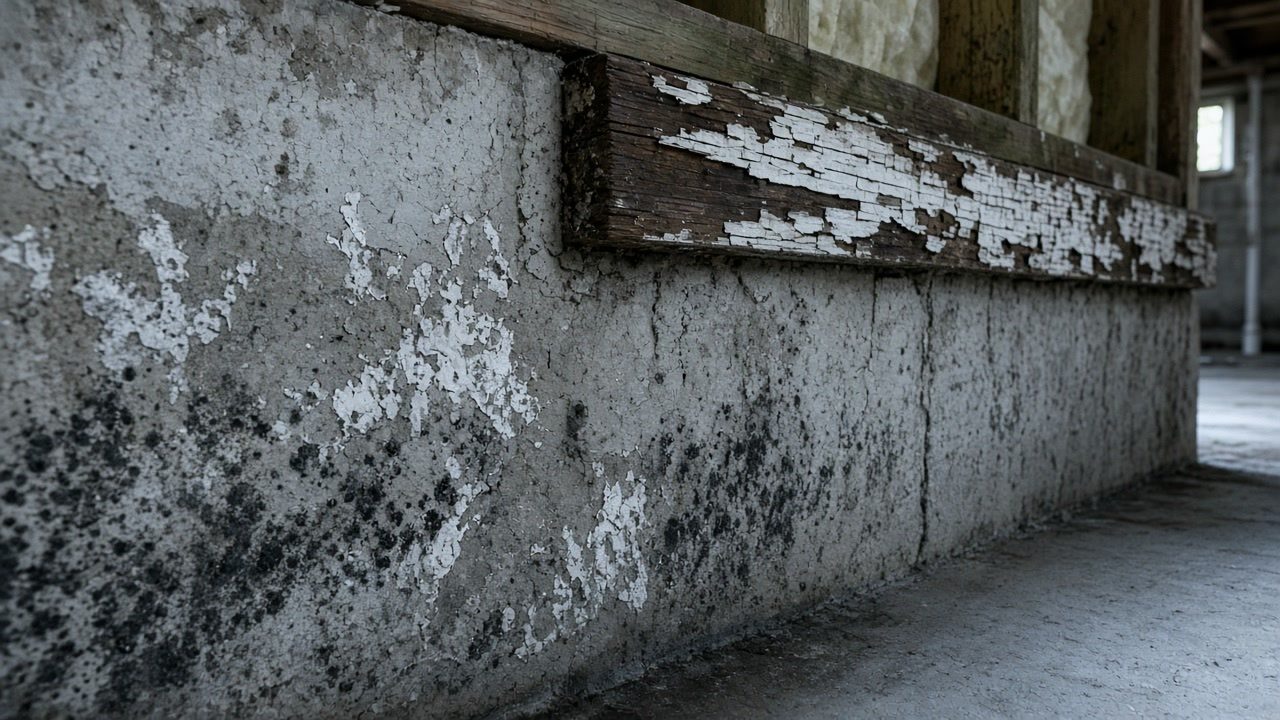
In the 2020-2024 American Community Survey, White Plains has 27,561 housing units; 29.8 percent were built in 1939 or earlier and 70.5 percent before 1980.
Source: U.S. Census Bureau, American Community Survey 2020-2024 5-year estimates, table B25034 Year Structure Built, accessed 2026-09-23
EPA's Renovation, Repair and Painting Rule requires anyone paid to perform work that disturbs painted surfaces in homes, child care facilities and preschools built before 1978 to hold EPA lead-safe credentials under the rule and to follow lead-safe work practices. The Westchester County Department of Consumer Protection carries the same advisory for home improvement contractors.
Source: U.S. Environmental Protection Agency, Lead Renovation, Repair and Painting Program, accessed 2026-09-23
The Westchester County Department of Consumer Protection lists separate local building departments for the county's cities, towns and villages, including White Plains (70 Church Street), New Rochelle (515 North Avenue), Mount Vernon (1 Roosevelt Square), Port Chester (222 Grace Church Street), Peekskill (840 Main Street), Tarrytown (1 Depot Plaza), Sleepy Hollow (28 Beekman Avenue), Elmsford (15 South Stone Avenue), Yorktown (363 Underhill Avenue) and a joint Ossining Town/Village department at 101 Route 9A.
Source: Westchester County Department of Consumer Protection, Local Building Department Contact Information, accessed 2026-09-23
What mold remediation involves in White Plains
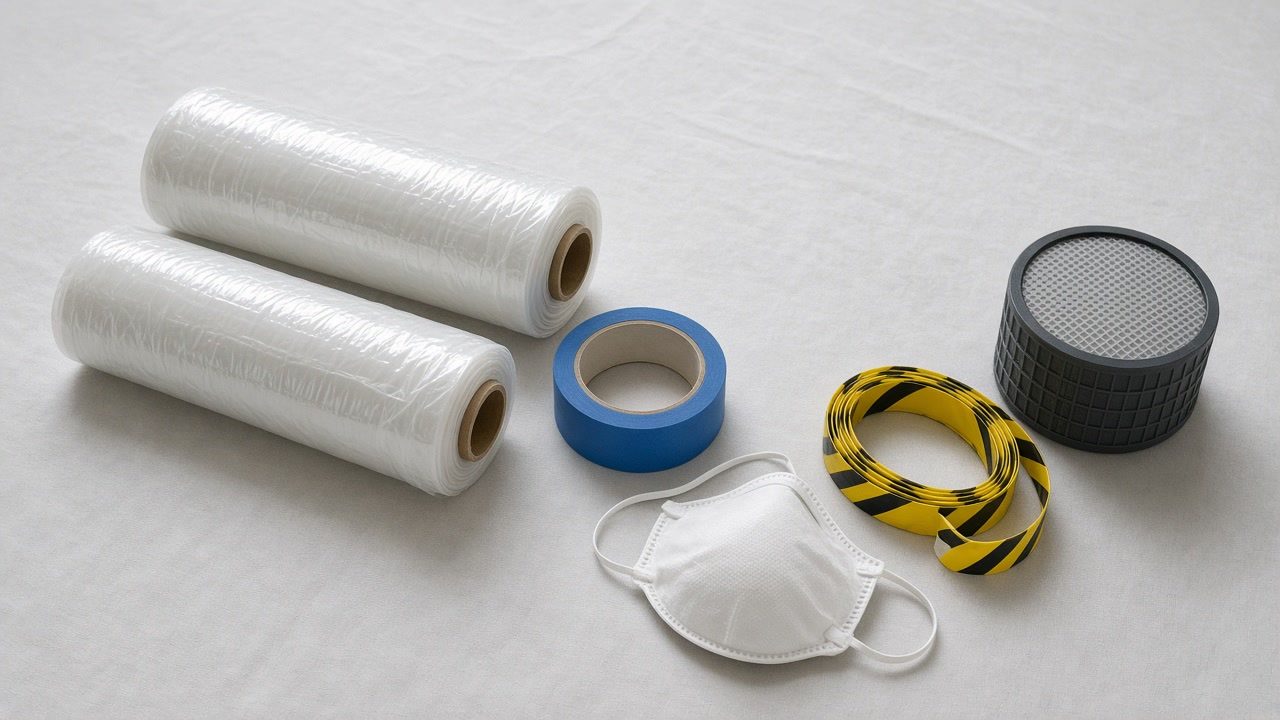
What a White Plains removal takes out and why
The scope is set by what got wet and what grew on it. After a supply line or roof leak that is often a section of ceiling, the drywall below a window or the flooring under an appliance; after runoff into a basement it is more likely the lower walls and the carpet. The firm we arrange seals the area, removes and bags what the plan names and cleans what stays. Seven in ten White Plains homes were built before 1980, so painted surfaces from before 1978 are common, and disturbing them for pay requires EPA lead-safe practice.
Has the White Plains assessor written a plan?
Send the rooms and quantities. We arrange a licensed remediation firm to bid against it, with no obligation to proceed.
White Plains questions about removal and rebuilding
Can I stay in the house during the removal?
Often yes, because the work area is sealed with sheeting and kept under negative air so dust stays inside it. Ask the firm about your specific layout, especially if the heating or cooling serves the affected area.
Who checks the work is finished?
A licensed assessor, separate from the removal firm, carries out a post remediation assessment against the plan. The firm that did the work does not sign off its own job.
Tell us about the White Plains removal
Or what you are seeing, if nobody has assessed it yet. We start with the independent inspection New York requires.