White Plains dry-out
White Plains basement water damage: dry it in place or tear out first?
(315) 640-3590 Tap to call
Water got into your White Plains basement or apartment, and the days after matter more than the cause. Name the water first, then book the dry-out inside EPA's 24 to 48 hours.
White Plains dry-out: $100 off your first job is credited after the booking, never before it.
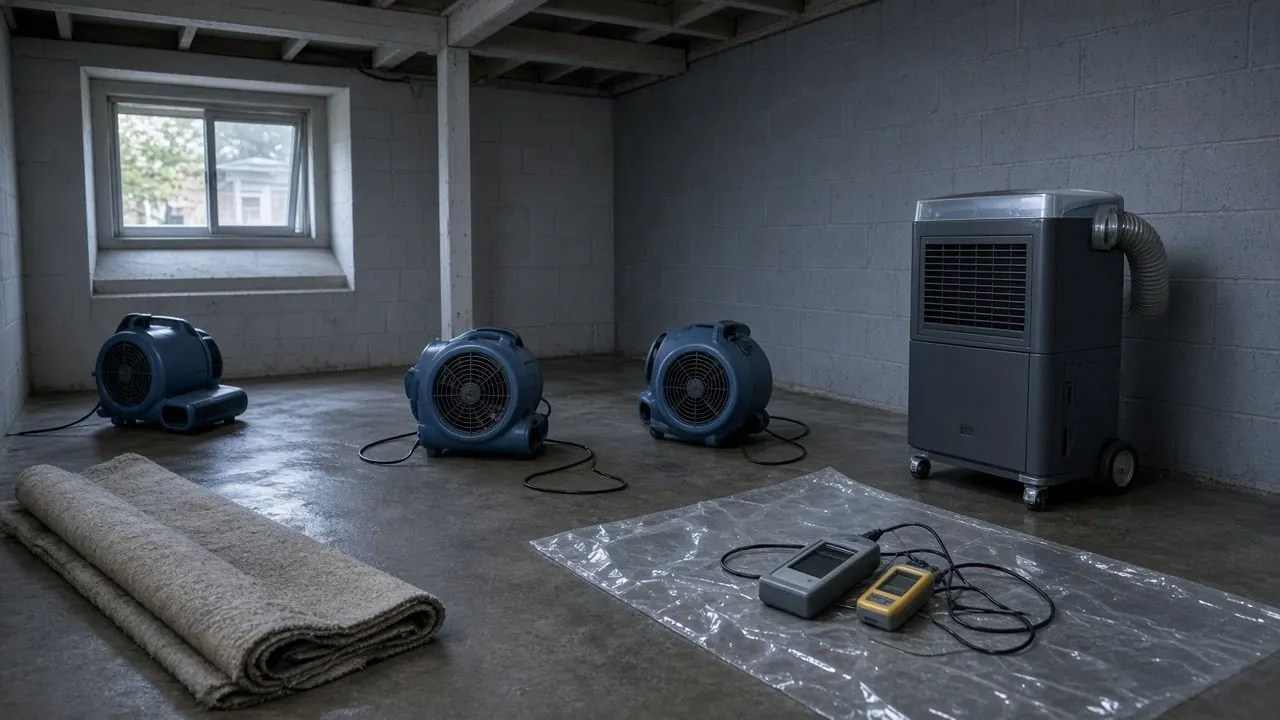
Four waters
Which water reached your White Plains house
Sound surge
Sound Shore
Tidal Hudson
River towns
Brook or riverYour water
Valley towns
Groundwater or rain
Higher ground and north county
Water note
Start the White Plains water note
Eight things to settle first. A phone and a tape measure are enough.
We help you pin down what water reached the house, then book the assessment first and the cleanup or drying after, with separate New York companies as state law requires.
Start your water note
Tell us what you know about the water. Sending it commits you to nothing.
The Westchester water-first promise
- You pay us nothing to ask, and you owe us nothing after.
- We start with the water before anyone quotes a removal.
- Your assessor will never be the company doing the cleanup.
- Your $100 is credited exactly as our Terms describe.
Whoever does the work answers to you under your own contract with them.
Mold Removal Westchester County, (315) 640-3590
$100 off your first job
The $100 is credited once your first Westchester job is booked.
- We pay the $100, and the contractor's price stays the same.
- One credit for each customer at each address.
- Book the job on or before December 31, 2026.
- Tell us about the credit when you book.
Questions
Short answers for White Plains homeowners
- 1
How soon must a wet White Plains basement be dried?
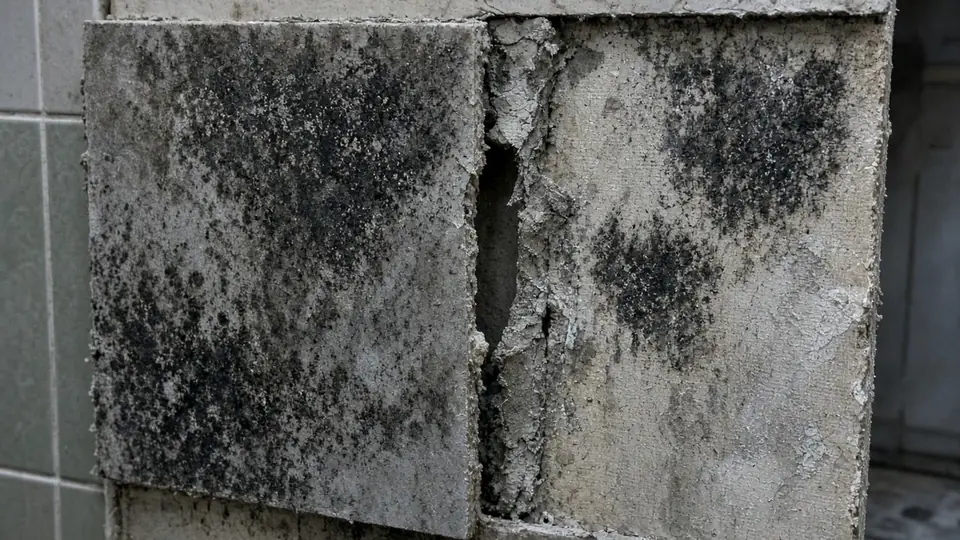
EPA's window is 24 to 48 hours. Material dried by then usually avoids mold. Ring the contractor the day the water turns up and record the hour.
- 2
Can I run fans myself while I wait for a White Plains contractor?
Fans and moving air can help if the leak was clean water and you can safely walk into the room. If it was sewage or outside water, do not touch the wet material. Tell the contractor what you did.
- 3
Does a clear flood map mean my White Plains basement water is just a leak?
No. The county plan says urban flooding goes unmapped, and the bulk of rated paid claims in the city landed outside the high-risk zones. Give the contractor the water's source instead.
This fits when
When dry-out is the next call in White Plains
Water from a storm or a drain
Rain and drain water get in from outside the mapped zones too. Tell the contractor which one you saw, and when it started.
A leaking or burst pipe in your unit
Clean supply-line water caught early has the best odds of drying in place. Tell the contractor when you found it.
Carpet, drywall or boxes wet for a day or more
A day or more of wetness changes what can be saved. Photograph what was wet before anyone moves it.
Water from a sewer line or the street side
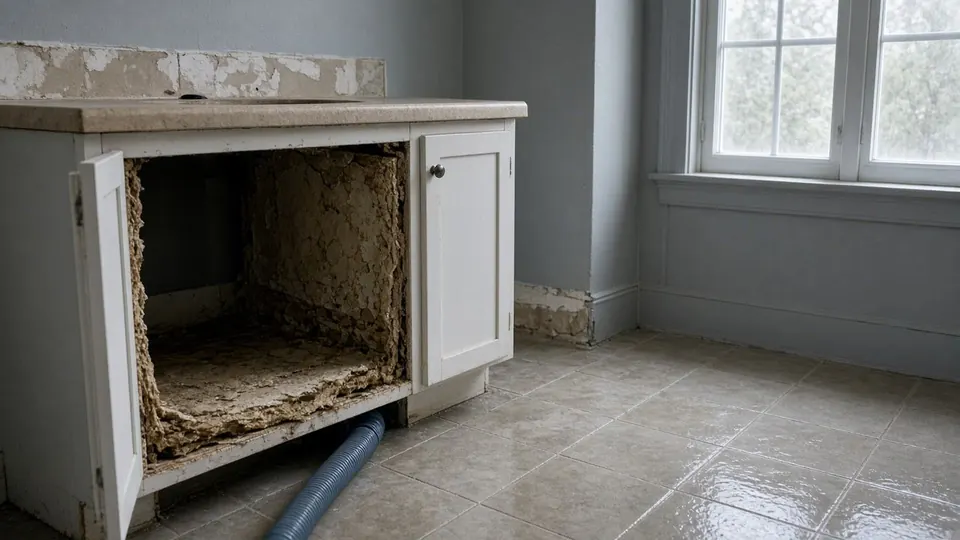
Sewer water is graded as the most contaminated kind. Some soaked materials may have to be removed before drying can begin.
- Write down what the water wasA river or sewer source changes the whole job.
- Measure the water line in inchesHeight shows which materials were wet.
- Note when it arrived and when it stoppedHours and days decide whether drying in place is still possible.
- List every material the water touchedPorous materials may have to come out.
- Photograph everything before anything movesPhotos help if you make an insurance claim.
- Ask for the New York mold license numberThe state has a public lookup to check it.
- Get the scope in writing before work startsA written plan lists rooms, methods and what comes out.
- Ask who assesses and who does the cleanupNew York requires two separate companies for mold.
Your water note
Four answers a contractor needs. Write them down before the first call.
What water was it?
Supply line, rain, stream, river, seawater or sewage?
The standard grades river, sea and sewer water as most contaminated. It is set on inspection.
How high did it get?
Find the line on the wall and measure it.
Height shows how much drywall and insulation got wet. Write it in inches.
How long did it sit?
Count the hours, days or weeks before anything dried.
EPA gives you 24 to 48 hours to dry wet materials. Past that, mold can grow.
What did it touch?
Drywall, insulation, carpet, framing, block, a furnace or a panel?
The standard asks which materials were affected. Porous ones may come out.
Ida put a damage figure on the city, not on your basement
White Plains' entry in the county plan records high winds, tree damage, flooding and heavy rain from Ida, and $881,880 in damages to the city. That is a citywide number for one storm.
It does not say whether your basement took water, or what kind. What counts for your dry-out is the day and hour you first saw it. Write that down now, then tell the contractor before they quote.
If you live in an apartment, add a line about which wall or ceiling the water came through, and whether it came from another unit. That detail tells the contractor where to look for wet insulation and framing that the surface hides.
Basis: Westchester County Hazard Mitigation Plan Update 2021, Section 9.6 City of White Plains annex A Brief Guide to Mold, Moisture and Your Home, US EPA
The 24 to 48 hour clock, and when a wet wall fails it
From a leak or spill, EPA's window is 24 to 48 hours. Material dried by then usually never grows mold. After that the odds change, and what you do next depends on the water.
If it was clean, the contractor dries it in place and you watch the readings fall. If it was dirty, the trade standard has the wet material cleaned out before restorative drying. Ask the contractor to say which case yours is, and why, before anything is closed up. Ask too how they will know the inside of the wall is dry and not only the surface, since a dry-looking wall can still hold moisture in the framing.
Basis: Westchester County Countywide Hazard Mitigation Plan Update 2021, Section 5.4.3 Flood
Ground water, street water and what the log should show
The county plan counts groundwater as a basement problem with nothing rising outside, and it says urban flooding is not mapped. Both are ways a White Plains basement gets wet when the map shows nothing.
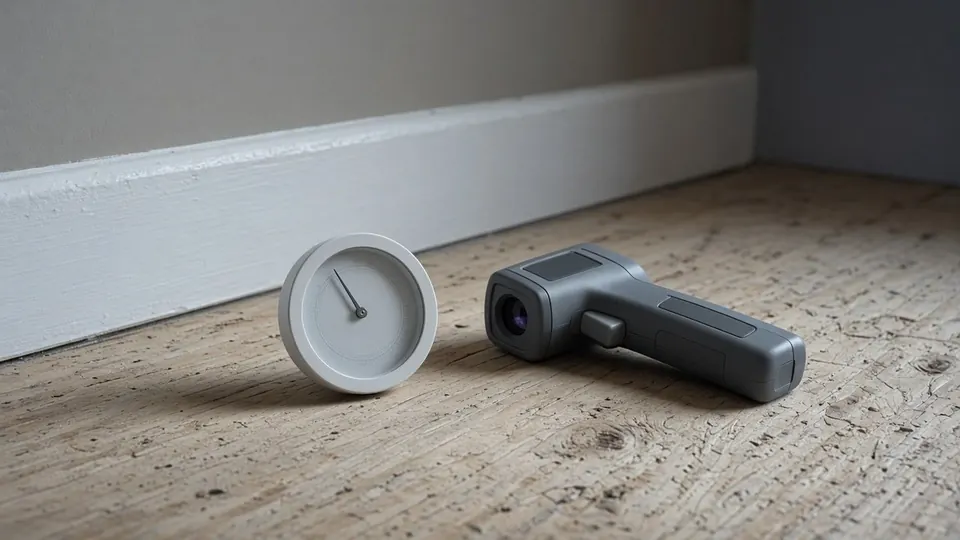
Ask the contractor for a dry-out log with readings taken on a schedule. Look for first-day readings, regular checks and a finish number put in writing. Then choose the contractor who agrees to write all three down. Keep the log.
Not sure what water it was? Start here.
Next steps
The rest of the White Plains sequence
Nearby
Same job, neighboring towns
Name the water, then pick the job.