Peekskill remediation
Mold Remediation in Peekskill: The Scope You Sign Should Say What Comes Out
(315) 640-3590 Tap to call
You need mold gone from a Peekskill home and the quotes do not agree on how much. Tell us what you found. The written plan comes first, then a separate remediator who follows it.
Peekskill removal: $100 off your first job, applied to that booking.
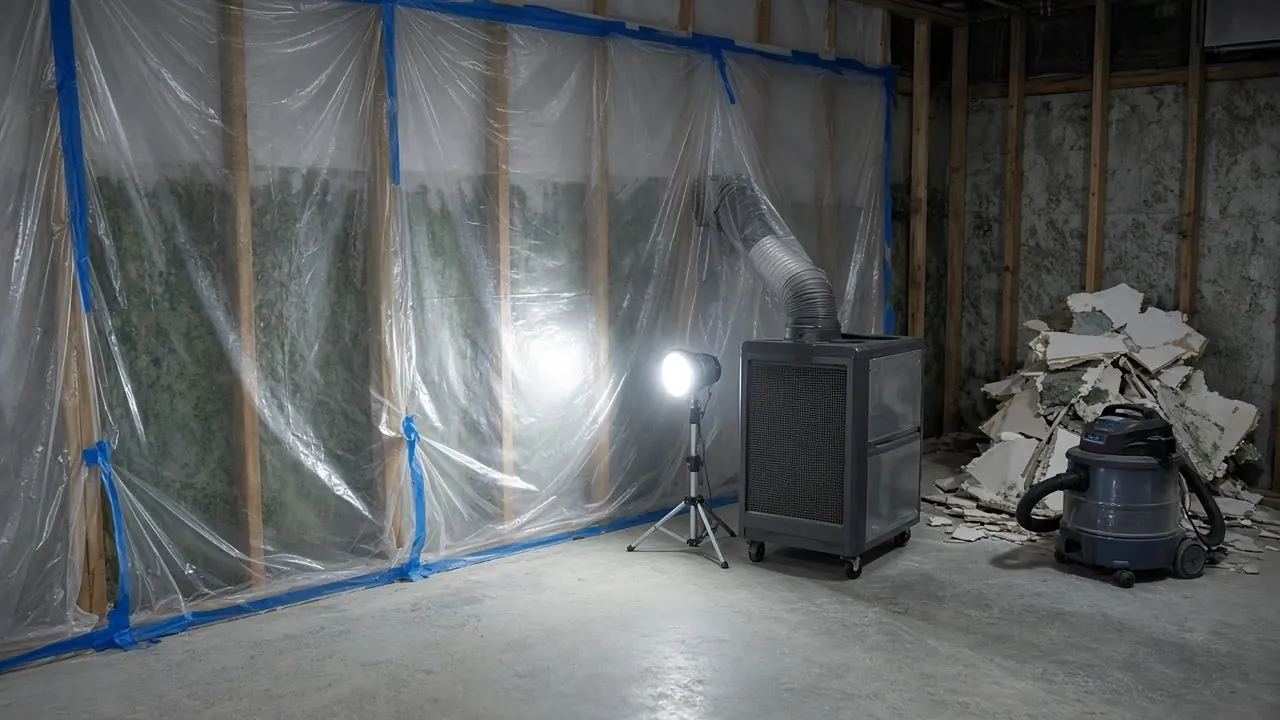
Four waters
What kind of water this was in Peekskill
Sound surge
Sound Shore
Tidal HudsonYour water
River towns
Brook or river
Valley towns
Groundwater or rain
Higher ground and north county
Water note
Four answers a Peekskill contractor needs first
Eight things to settle first. A phone and a tape measure are enough.
We help you pin down what water reached the house, then book the assessment first and the cleanup or drying after, with separate New York companies as state law requires.
Start your water note
Tell us what you know about the water. Sending it commits you to nothing.
The Westchester water-first promise
- You pay us nothing to ask, and you owe us nothing after.
- We start with the water before anyone quotes a removal.
- Your assessor will never be the company doing the cleanup.
- Your $100 is credited exactly as our Terms describe.
Whoever does the work answers to you under your own contract with them.
Mold Removal Westchester County, (315) 640-3590
$100 off your first job
The $100 is credited once your first Westchester job is booked.
- We pay the $100, and the contractor's price stays the same.
- One credit for each customer at each address.
- Book the job on or before December 31, 2026.
- Tell us about the credit when you book.
Questions
What Peekskill owners ask first
- 1
What should the Peekskill remediation quote include?
It should match the written plan: the rooms, the material quantities, the methods and the protective equipment. Ask for the plan to be attached.
- 2
Can I clean mold myself in my Peekskill home?
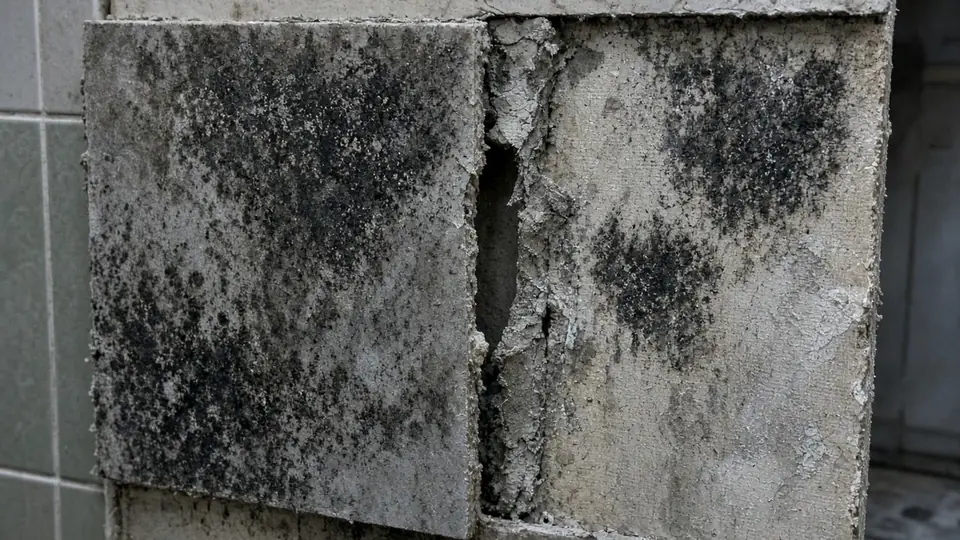
EPA says owners can usually handle a patch near 10 square feet. If the damage came from sewage or other dirty water, call a professional experienced with contaminated water.
- 3
Who finds out the mold is gone?
A clearance report from the assessor follows only when no visible mold remains and the plan was followed. The remediator cannot do that on the same property.
This fits when
What puts remediation on the list in Peekskill
A patch that has grown since you first saw it
Growth means moisture is still arriving. Fix the source and then the mold, in that order.
Mold in an older apartment with plaster walls
Plaster and old paint change how a remediator opens a wall. Ask how they will contain dust.
A contractor who wants payment before writing a scope
The plan comes first. Never pay for removal until the written plan is in your hands.
A shared basement with a laundry or boiler room
Say who uses the space. The plan should keep dust and spores from reaching other households.
- Write down what the water wasA river or sewer source changes the whole job.
- Measure the water line in inchesHeight shows which materials were wet.
- Note when it arrived and when it stoppedHours and days decide whether drying in place is still possible.
- List every material the water touchedPorous materials may have to come out.
- Photograph everything before anything movesPhotos help if you make an insurance claim.
- Ask for the New York mold license numberThe state has a public lookup to check it.
- Get the scope in writing before work startsA written plan lists rooms, methods and what comes out.
- Ask who assesses and who does the cleanupNew York requires two separate companies for mold.
Your water note
Four answers a contractor needs. Write them down before the first call.
What water was it?
Supply line, rain, stream, river, seawater or sewage?
The standard grades river, sea and sewer water as most contaminated. It is set on inspection.
How high did it get?
Find the line on the wall and measure it.
Height shows how much drywall and insulation got wet. Write it in inches.
How long did it sit?
Count the hours, days or weeks before anything dried.
EPA gives you 24 to 48 hours to dry wet materials. Past that, mold can grow.
What did it touch?
Drywall, insulation, carpet, framing, block, a furnace or a panel?
The standard asks which materials were affected. Porous ones may come out.
Older city housing, and what that adds to the plan
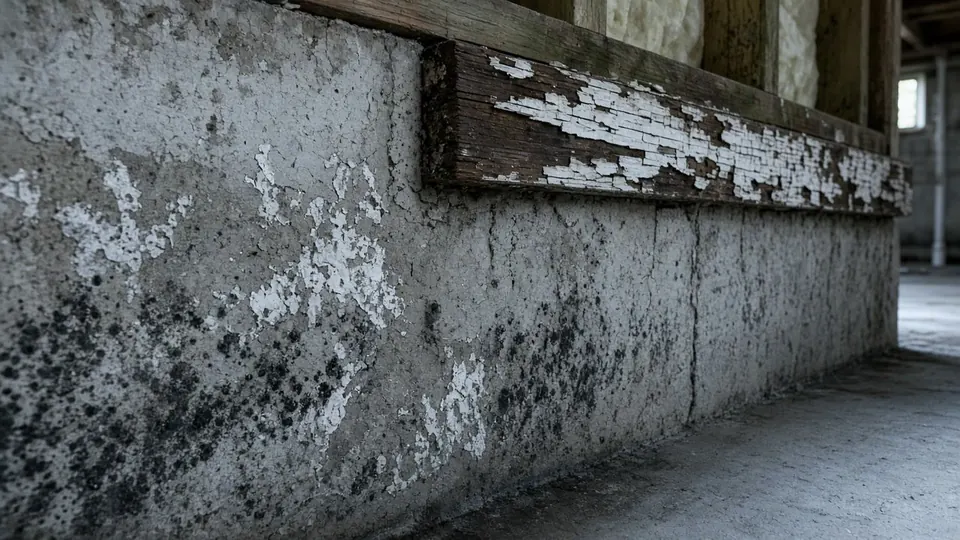
Peekskill has 11,572 housing units, and seven in ten were built before 1980. Painted surfaces in homes before 1978 call for lead-safe practices when paid work disturbs them. Ask the remediator to describe its practices in writing.
The plan should also list rooms, material quantities, methods and protective equipment. If the quote leaves any of those out, ask why.
Ask who opens the walls and who checks behind them. The plan should name the order, and you should hold a copy of it.
Not sure what got wet? Say so.
Ask whether an older stone or brick foundation can be cleaned and left in place. Wood framing and insulation are the usual items the plan has to decide on, so ask for each by name.
You can speed the plan by listing what you want kept. Family photos, a workbench and a furnace that must stay on all change how the work is staged. Tell the assessor early so the remediator is not surprised.
Basis: American Community Survey 2020-2024 5-year estimates, table B25034 (year structure built), US Census Bureau OpenFEMA NFIP Claims v3 (data as of 2026-09-08), FEMA
A quiet Ida record does not shrink your job
Ida left road closures and some localized flooding in the city, but no substantial damages, according to the annex. FEMA records no paid Ida claims here.
That is the city's history. Your job is what your own walls, floors and insulation show. If the water reached them, the plan says which ones come out. Take photos, keep your dates and let the assessor decide.
If you live in a building where others share the wall, tell the assessor. The plan then covers containment against the next unit, and the remediator plans its air control to match.
Begin with one short form.
Ask how the plan treats the stored contents, the carpet and the trim. Items that touched contaminated water are handled differently from items that only sat in damp air, and the plan should say which is which.
Basis: American Community Survey 2020-2024 5-year estimates, table B25003 (tenure), US Census Bureau ANSI/IICRC S500 Consensus Body, Category of Water Damage and Weather-related Events position statement
Who signs when the unit is rented
About six in ten of the city's occupied homes are owner occupied; the rest are rented. Renters should know the landlord may need to approve the contract, so hand over the written plan and ask for a decision by a set date.
If you own, you keep the assessor and the remediator apart by booking them in order. Two separate firms must handle the assessing and the removal at one property.
Ask for the clearance visit by name when you book. The assessor checks that no visible mold remains and the plan was followed, and you get that in writing.
Ready to start your water note?
Compare each quote line with the plan. A line the plan does not mention deserves a question, and a line the plan requires but a quote omits deserves two.
Basis: Mold Cleanup in Your Home, US EPA NY Labor Law section 936, NY State Senate
Not sure what water it was? Start here.
Next steps
Other jobs in Peekskill
Nearby
Same job, neighboring towns
Start with the water.