Croton-on-Hudson assessment
Mold Inspection in Croton-on-Hudson, NY: River, Creek or Seepage
(315) 640-3590 Tap to call
You smell mold or see spotting in your Croton-on-Hudson house and the quotes you have are all different. Phone us with what you found, and we will book the assessor whose single scope every contractor can price.
Mold worry in Croton-on-Hudson? $100 off your first job, applied by us the moment the assessment is booked.
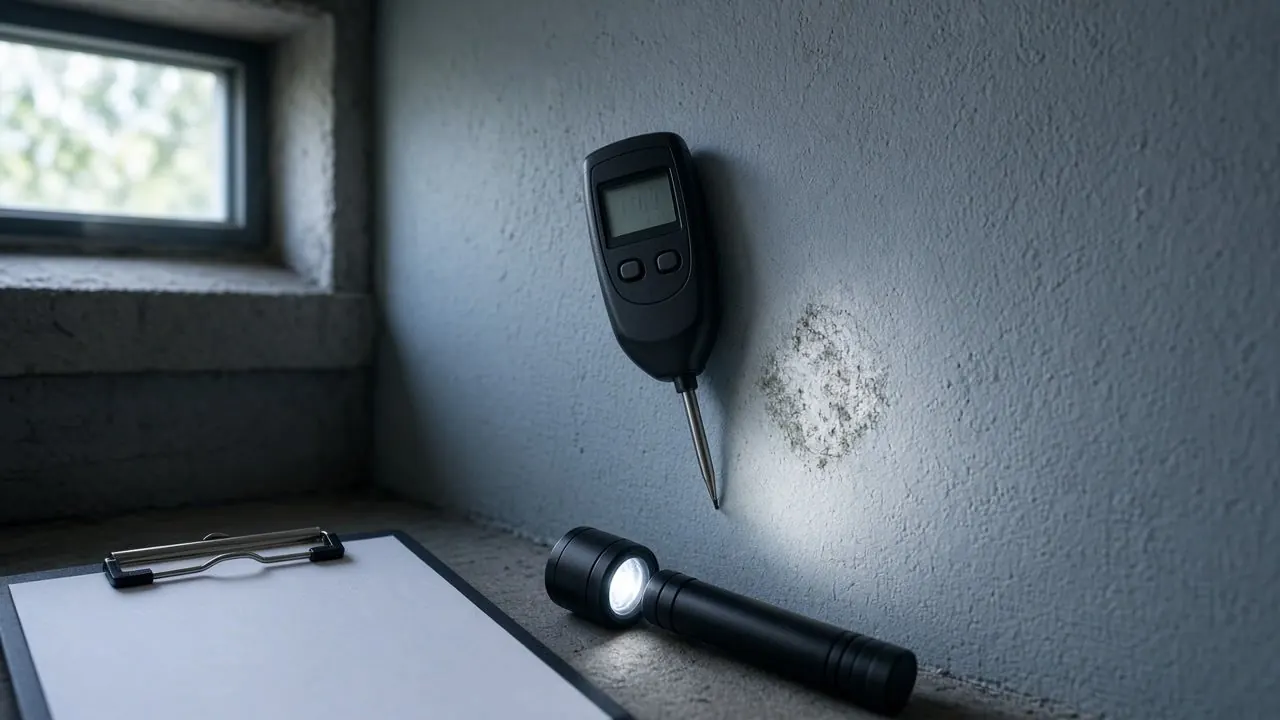
Four waters
Four waters, and where Croton-on-Hudson sits
Sound surge
Sound Shore
Tidal HudsonYour water
River towns
Brook or river
Valley towns
Groundwater or rain
Higher ground and north county
Water note
Start the Croton-on-Hudson water note
Eight things to settle first. A phone and a tape measure are enough.
We help you pin down what water reached the house, then book the assessment first and the cleanup or drying after, with separate New York companies as state law requires.
Start your water note
Tell us what you know about the water. Sending it commits you to nothing.
The Westchester water-first promise
- You pay us nothing to ask, and you owe us nothing after.
- We start with the water before anyone quotes a removal.
- Your assessor will never be the company doing the cleanup.
- Your $100 is credited exactly as our Terms describe.
Whoever does the work answers to you under your own contract with them.
Mold Removal Westchester County, (315) 640-3590
$100 off your first job
The $100 is credited once your first Westchester job is booked.
- We pay the $100, and the contractor's price stays the same.
- One credit for each customer at each address.
- Book the job on or before December 31, 2026.
- Tell us about the credit when you book.
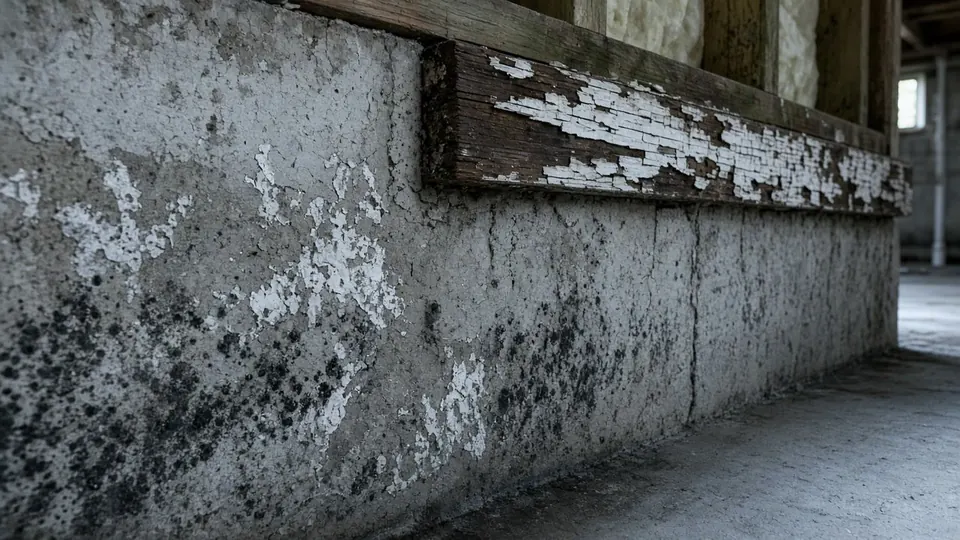
Questions
Croton-on-Hudson questions, answered
- 1
Should I test my Croton-on-Hudson house for mold before calling an assessor?
Usually not. The state labor department says testing is unnecessary in most cases. Book the assessor, who looks for the moisture source and decides whether samples are worth it.
- 2
What does the assessor need from me?
The source if you know it, the date, whether it stopped, earlier water damage, what it touched and the age of the house. Write those six down before the visit.
- 3
Can I use one assessment for a sale or an insurance conversation?
Ask the assessor to write the report with that reader in mind. Tell them at booking so the report states the dates and findings clearly.
This fits when
Signs the assessment job is next in Croton-on-Hudson
Spotting on a wall below a window that looks out on a creek
A small stream that is not on the flood map can still push water against a foundation. Mention it to the assessor.
A tide-driven line after the Hudson ran high
River water has a different grade from rain. A dated photo of the line helps the assessor judge the category.
Three quotes with three different scopes
When scopes disagree, the water has not been named. A written assessment gives every contractor the same page to price.
A sump pump that runs more often than it used to
More pumping can mean more groundwater or a stream running higher. Tell the assessor how often it cycles and since when.

- Write down what the water wasA river or sewer source changes the whole job.
- Measure the water line in inchesHeight shows which materials were wet.
- Note when it arrived and when it stoppedHours and days decide whether drying in place is still possible.
- List every material the water touchedPorous materials may have to come out.
- Photograph everything before anything movesPhotos help if you make an insurance claim.
- Ask for the New York mold license numberThe state has a public lookup to check it.
- Get the scope in writing before work startsA written plan lists rooms, methods and what comes out.
- Ask who assesses and who does the cleanupNew York requires two separate companies for mold.
Your water note
Four answers a contractor needs. Write them down before the first call.
What water was it?
Supply line, rain, stream, river, seawater or sewage?
The standard grades river, sea and sewer water as most contaminated. It is set on inspection.
How high did it get?
Find the line on the wall and measure it.
Height shows how much drywall and insulation got wet. Write it in inches.
How long did it sit?
Count the hours, days or weeks before anything dried.
EPA gives you 24 to 48 hours to dry wet materials. Past that, mold can grow.
What did it touch?
Drywall, insulation, carpet, framing, block, a furnace or a panel?
The standard asks which materials were affected. Porous ones may come out.
Which of three waters left its mark
The village said its maps were adequate everywhere but along the Hudson. It named the Croton River valley and smaller unmapped streams as well. Your assessor needs to know which of those, if any, you think reached the house.
Say what you saw, not what you guess. A high line on the wall after a tide points one way. A damp corner under a window well points another. If you cannot tell, write that down, and the assessor will look for the moisture source first.
Tell us the water and the date.
Tell the assessor what the outside looks like too. Where do the downspouts drain, does the lot slope toward the house, and does a stream run near the property line? Those details help tell stream seepage from tide-driven water.
If a neighbor had water at the same time, mention that as well. Shared timing points to a shared cause, and the assessor can read your house against what the street went through.
Basis: Local Building Department Contact Information, Westchester County Department of Consumer Protection American Community Survey 2020-2024 5-year estimates, table B25034 (year structure built), US Census Bureau
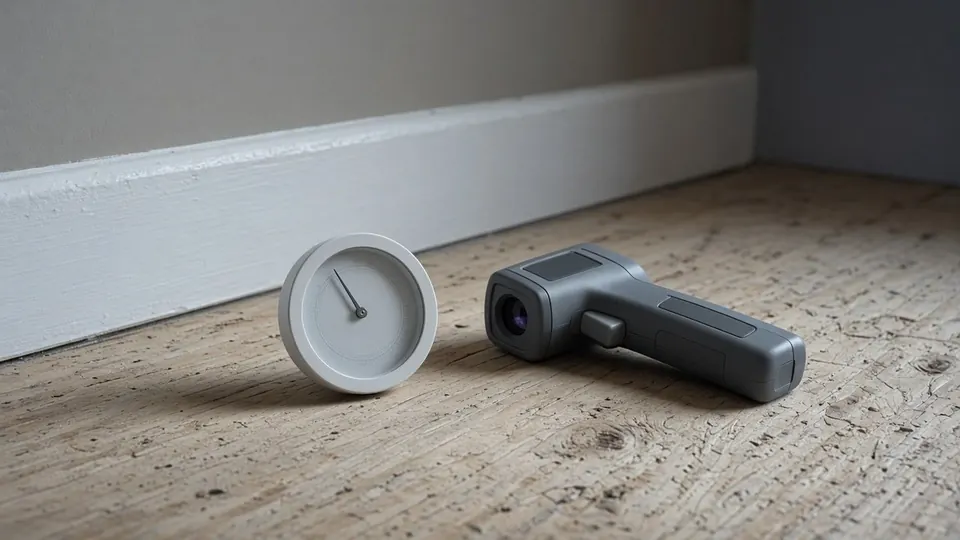
Why you own the paper trail
Eight in ten occupied homes in the village are owner occupied. If you are one of those owners, nobody else will chase the paperwork for you, and the report is yours to hold for a future sale or claim.
Ask the assessor to include the date of the visit, what was measured, where the moisture comes from and what the plan covers. Keep a copy with your photos and the contractor quotes.
Owners also decide who receives the report. Ask the assessor to address it to you by name with the address, the date and the rooms checked. If the house sells later, a buyer's agent may ask to see it.
Book the assessment first.
Worried the work will balloon? Ask the assessor to name what does not need to come out. The plan lists rooms and quantities, so it limits the scope as well as setting it.
Basis: Westchester County Hazard Mitigation Plan Update 2021, Section 9.28 Village of Croton-on-Hudson annex American Community Survey 2020-2024 5-year estimates, table B25003 (tenure), US Census Bureau
Call the village office, then book your visit
The village keeps its own building department. The county health department does not take mold complaints itself. It points them to the local building department and professionals, so a call there is a sensible first step.
The state labor department says air testing is unnecessary in most cases. Ask your assessor whether samples would change the plan. If they would not, spend that money on the work itself.
When you call, ask whether any complaint or permit is on file for your address. Record who you spoke with and the date of the call. If the water sat for days, say that plainly, because the assessor needs the length of time, not a guess at the cause.
Basis: ANSI/IICRC S500 Consensus Body, Category of Water Damage and Weather-related Events position statement Mold Program Frequently Asked Questions, NYS Department of Labor
Have the water line measured before the tear-out.
Next steps
Two more steps for a Croton-on-Hudson house
Nearby
Same job, neighboring towns
Start with the water.