Bedford dry-out
Water came into your Bedford basement and no flood map explains it
(315) 640-3590 Tap to call
Water is in your Bedford basement and no flood map explains why. Tell us where it came from and when, and we will book the dry-out so drying in place or tearing out is decided first.
Wet Bedford basement: $100 off your first job on the dry-out, credited once the job is booked.
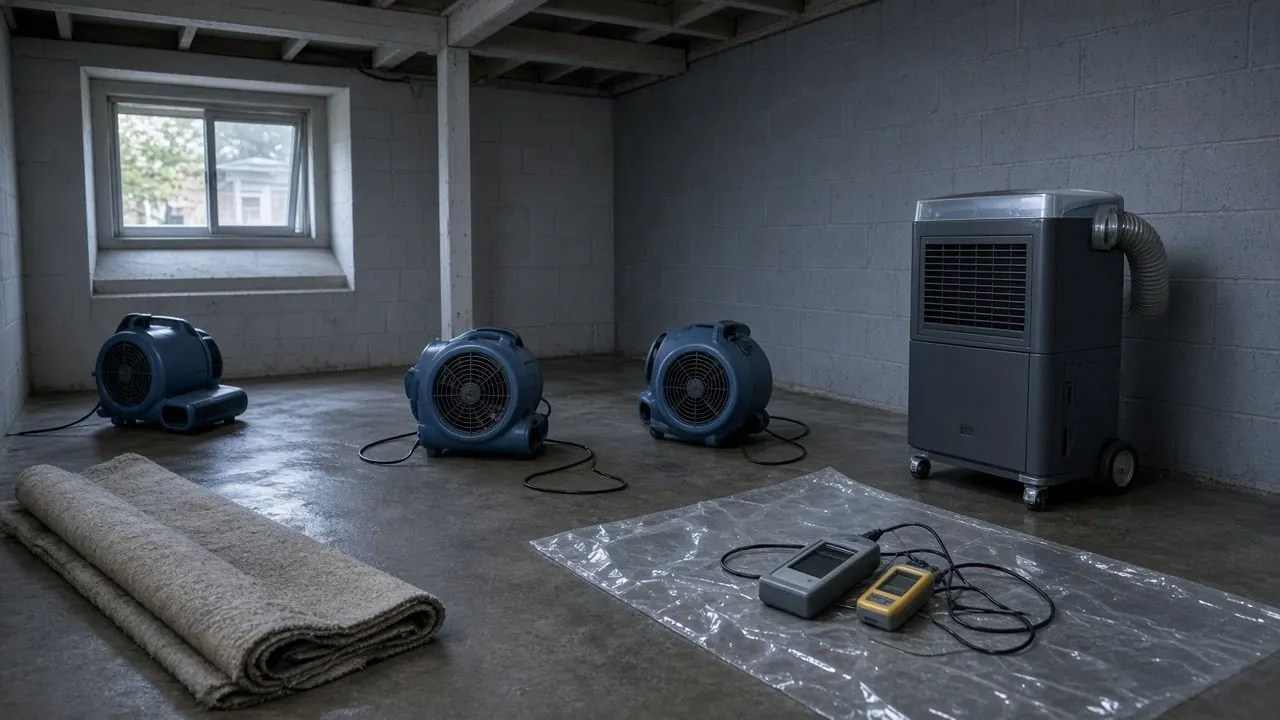
Four waters
What kind of water this was in Bedford
Sound surge
Sound Shore
Tidal Hudson
River towns
Brook or river
Valley towns
Groundwater or rainYour water
Higher ground and north county
Water note
Four answers a Bedford contractor needs first
Eight things to settle first. A phone and a tape measure are enough.
We help you pin down what water reached the house, then book the assessment first and the cleanup or drying after, with separate New York companies as state law requires.
Start your water note
Tell us what you know about the water. Sending it commits you to nothing.
The Westchester water-first promise
- You pay us nothing to ask, and you owe us nothing after.
- We start with the water before anyone quotes a removal.
- Your assessor will never be the company doing the cleanup.
- Your $100 is credited exactly as our Terms describe.
Whoever does the work answers to you under your own contract with them.
Mold Removal Westchester County, (315) 640-3590
$100 off your first job
The $100 is credited once your first Westchester job is booked.
- We pay the $100, and the contractor's price stays the same.
- One credit for each customer at each address.
- Book the job on or before December 31, 2026.
- Tell us about the credit when you book.
Questions
What Bedford owners ask first
- 1
What is the 24 to 48 hour window?
EPA says damp materials dried in that time usually stay free of mold, whether a leak or a spill started the wetting.
- 2
My Bedford address is outside every flood zone. Does that change anything?
Only 0.4 percent of buildings are in the mapped share, and most paid claims with a rated zone fell outside A and V zones. Dry the water you have.
- 3
When does drying turn into removal?
When the water category or the time it sat says so. The category is set after a look.
- 4
What if my well is nearby?
Tell the contractor, and ask the county health department or a well professional whether the well needs a test.
This fits when
What puts dry-out on the list in Bedford
Water from a pipe or an appliance
Known source, clean water, start time known. Speed counts most here, so call now and say when it started.
Water after rain, no obvious entry
High groundwater can seep in without surface flooding, the county plan says. Tell us whether the sump ran.
Water near the well pump or septic line
Tell the contractor. If sewage may be involved, stop treating it as drying and call a professional experienced with it.
A floor dried by fans, still cold and damp
Ask for moisture readings in the slab and the framing, with dates.
- Write down what the water wasA river or sewer source changes the whole job.
- Measure the water line in inchesHeight shows which materials were wet.
- Note when it arrived and when it stoppedHours and days decide whether drying in place is still possible.
- List every material the water touchedPorous materials may have to come out.
- Photograph everything before anything movesPhotos help if you make an insurance claim.
- Ask for the New York mold license numberThe state has a public lookup to check it.
- Get the scope in writing before work startsA written plan lists rooms, methods and what comes out.
- Ask who assesses and who does the cleanupNew York requires two separate companies for mold.
Your water note
Four answers a contractor needs. Write them down before the first call.
What water was it?
Supply line, rain, stream, river, seawater or sewage?
The standard grades river, sea and sewer water as most contaminated. It is set on inspection.
How high did it get?
Find the line on the wall and measure it.
Height shows how much drywall and insulation got wet. Write it in inches.
How long did it sit?
Count the hours, days or weeks before anything dried.
EPA gives you 24 to 48 hours to dry wet materials. Past that, mold can grow.
What did it touch?
Drywall, insulation, carpet, framing, block, a furnace or a panel?
The standard asks which materials were affected. Porous ones may come out.
Your first two days
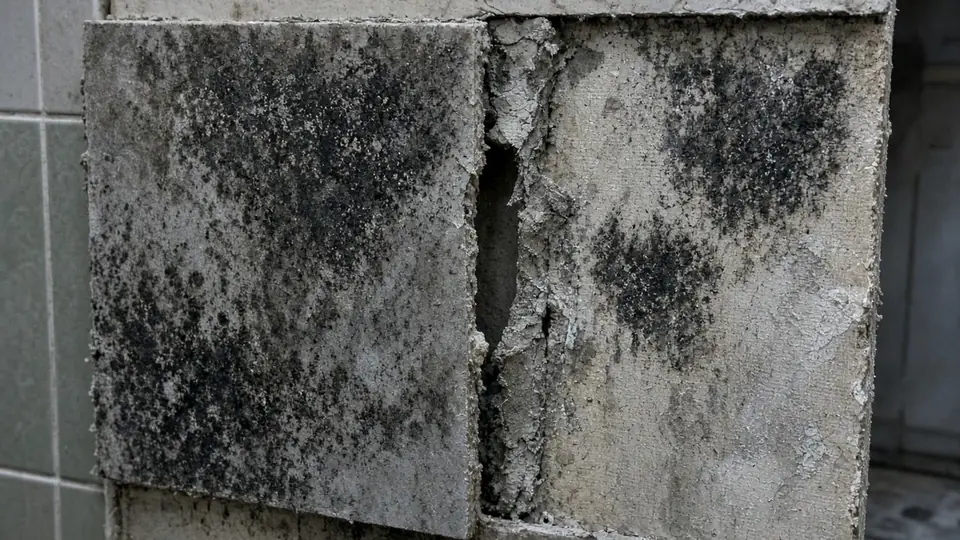
EPA's guide says damp materials dried inside two days, or 24 to 48 hours, usually stay clear of mold. Count from when the water arrived. Tell the contractor that time, and book as soon as you know.
While you wait, lift furniture legs off wet carpet, photograph the water line and open nothing you do not need to. If a well pump or a septic cover sits in the wet area, mention it on the first call. If water came near the electrical panel or furnace, say so on the first call and stay clear of both and call your utility or an electrician before anyone goes near them.
Send the four answers while they are fresh.
Ask each contractor what the first visit includes and what comes after it, so you know the next step before you agree to it.
Basis: OpenFEMA NFIP Claims v3 (data as of 2026-09-08), FEMA A Brief Guide to Mold, Moisture and Your Home, US EPA
Why claims outside the map matter here
FEMA records 44 paid claims in the Town of Bedford. FEMA shows most claims with a rated zone landing outside the A and V zones. Bedford houses outside mapped flood zones can still take on water, so do not wait for a map to confirm yours.
Write down what you saw, tell the contractor, and ask for a written category before work starts. If the category is the worst one, the plan may call for removal ahead of drying, and you should hear that before the fans are switched on. Ask what the contractor sees that makes them confident in either answer.
Basis: Westchester County Countywide Hazard Mitigation Plan Update 2021, Section 5.4.3 Flood ANSI/IICRC S500 Consensus Body, Category of Water Damage and Weather-related Events position statement
What a good dry-out record shows
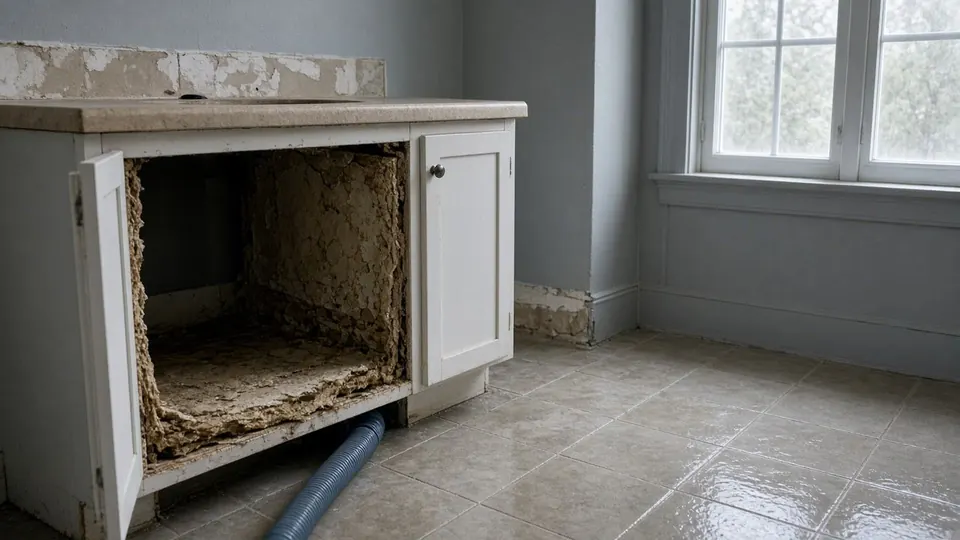
The county plan says high groundwater can cause basement problems even with no surface flooding. If that is your case, the dry-out record should show where the moisture came from and that readings fell over the visits. Ask for both in writing, with dates. Ask also for the dates, the times and the rooms, and for plain words on which wet materials were dried and which came out, and why.
If the dry-out ends with a smell still present, say so in the final visit, not a week later. A lingering smell means something is still holding water, and the contractor can check the spots that were not read before.
Check the wall before you hire anyone.
Ask, too, what the contractor will do if the readings stop falling. A plan that names the next step, whether more equipment or opening a wall, saves you a second call and a second argument.
Keep every receipt and reading in one folder. If a claim is open, the adjuster will want them. If it is not, they still show a buyer that the water was handled on time.
Put the four questions on paper first.
Next steps
The rest of the Bedford sequence
Nearby
Nearby pages for dry-out
Name the water, then pick the job.