Mold Remediation in Rye After Sound Water Soaks the Walls
Get the soaked drywall, insulation and flooring out of a Rye lower level in the order the plan sets, by a licensed firm that did not write the plan.
Mold Remediation quote in Rye
Tell us the town, how the water got in, and how long it has been wet. Those three answers tell us what kind of water this was, and in Westchester the kind of water decides most of what the job involves.
Would you rather talk it through? Call (315) 640-3590.
$100 off your first job
Credited by us on your first booked job.
- One credit per customer per property, on your first booked job.
- Valid through December 31, 2026.
Mention this offer when you book. Full terms.
Weighing a Rye removal bid in an older house
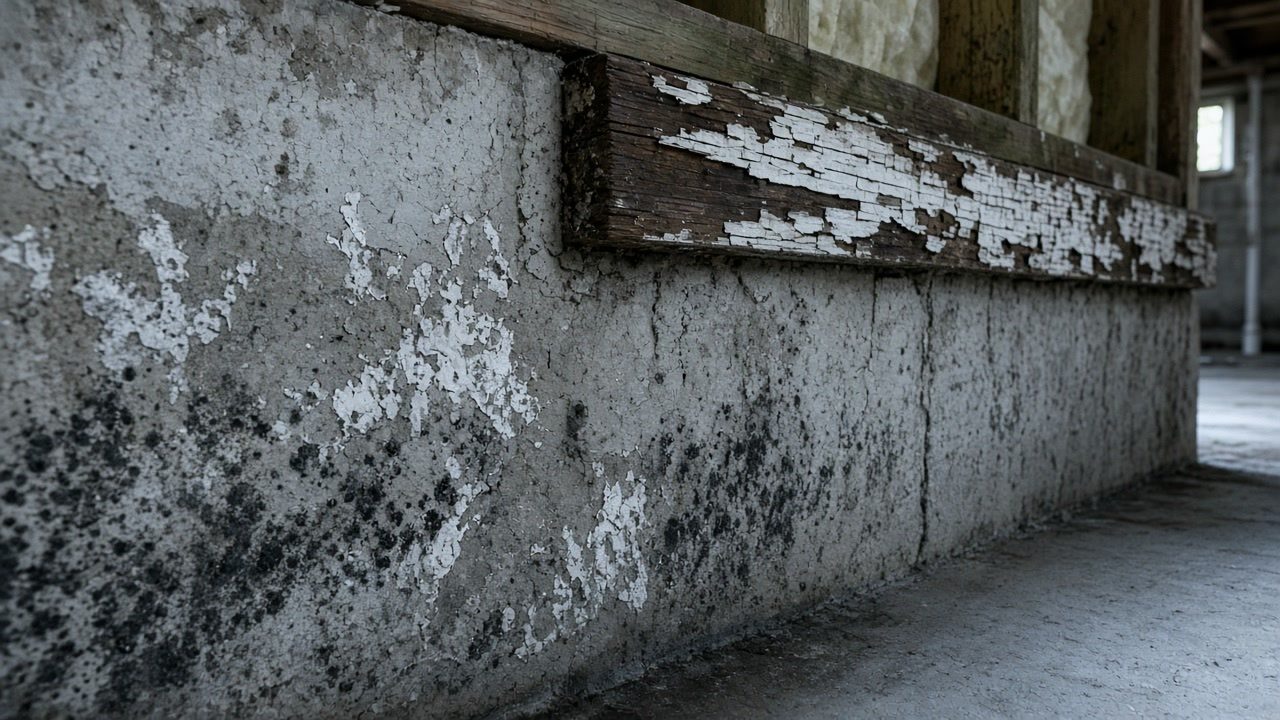
Three in ten City of Rye homes were built before 1940 and seven in ten before 1980, so the wall that comes out is often painted plaster or old trim rather than new drywall. Paid work that disturbs paint in a home built before 1978 needs a firm working under EPA's lead-safe rule, and that is worth raising when the bid arrives, not after the wall is open. Compare the bid's rooms and quantities against the assessor's plan line by line, and ask about anything that goes further.
Built before 1978?
Then the painted surfaces are a lead question as well as a mold one. Ask the remediation firm how it handles lead-safe work.
The plan sets the cut line
How far up the wall comes out is written by the assessor, not chosen by the crew. A bid that cuts higher should explain why.
Two licenses, two companies
New York does not let the firm that assessed the house also remove the mold. If one company offers both on your Rye property, set that bid aside.
Rye housing age and the order seawater removal follows
In the 2020-2024 American Community Survey, the City of Rye has 6,108 housing units; 30.0 percent were built in 1939 or earlier and 70.7 percent before 1980.
Source: U.S. Census Bureau, American Community Survey 2020-2024 5-year estimates, table B25034 Year Structure Built, accessed 2026-09-23
The S500 text quoted in the consensus body's statement says that if the water is Category 1 the restorer can proceed without contamination controls, but "With regard to Category 2 or 3 water intrusions, remediation should occur prior to restorative drying and restorers shall use contamination controls and appropriate worker protection."
Source: ANSI/IICRC S500 Consensus Body, Position Statement: Category of Water Damage and Weather-related Events, March 16, 2026 (citing ANSI/IICRC S500, 5th Edition, 2021), accessed 2026-09-23
EPA's Renovation, Repair and Painting Rule requires anyone paid to perform work that disturbs painted surfaces in homes, child care facilities and preschools built before 1978 to hold EPA lead-safe credentials under the rule and to follow lead-safe work practices. The Westchester County Department of Consumer Protection carries the same advisory for home improvement contractors.
Source: U.S. Environmental Protection Agency, Lead Renovation, Repair and Painting Program, accessed 2026-09-23
What mold remediation involves in Rye
What comes out of a Rye house after surge water
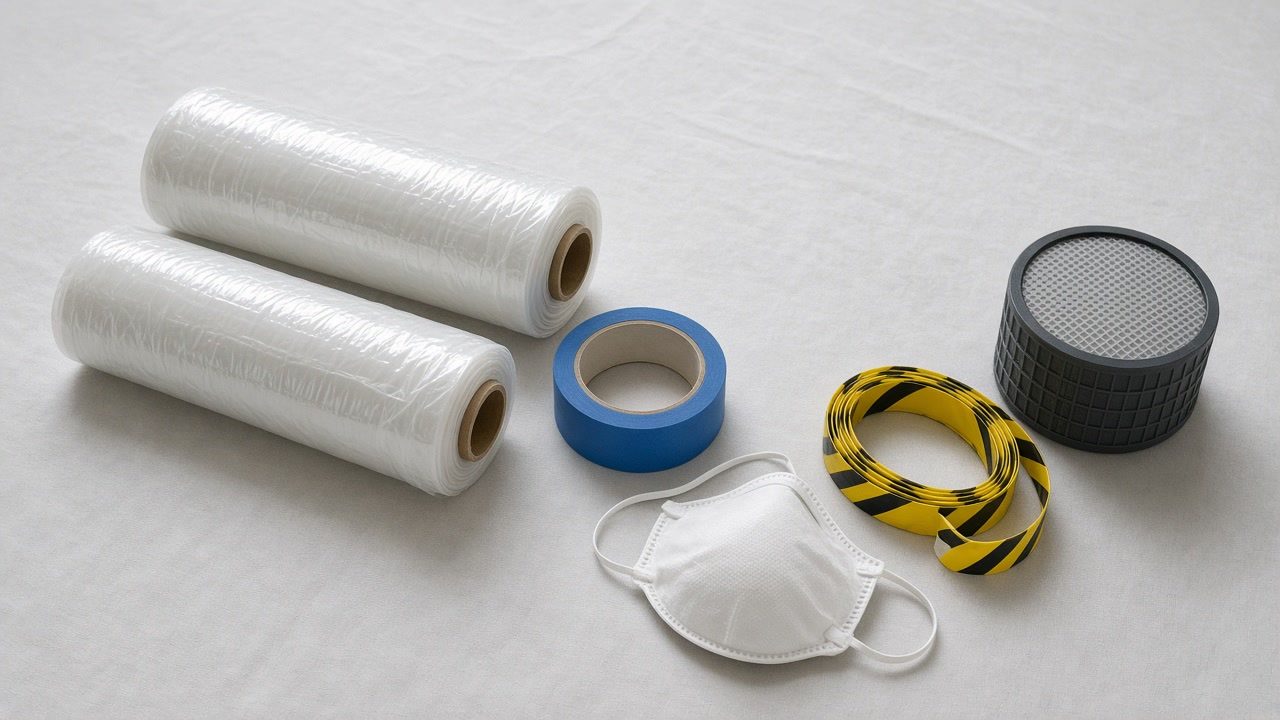
A Rye removal is mostly about what physically leaves the house: the lower section of drywall, the insulation behind it, carpet and pad, and any trim that wicked the water upward. Seawater is the trade standard's most contaminated class, and its text says that after that kind of intrusion remediation happens before restorative drying, so the fans come in after the removal, not instead of it. The firm we arrange works to the independent assessor's written plan, with containment so the rest of the house stays clean.

Holding an assessor's plan for a Rye house?
Send the rooms it covers. We arrange a licensed remediation firm to bid against it, and nothing is booked until you agree.
Rye questions about stripping out after seawater
Can the drywall be dried instead of cut out?
After seawater, generally not. The standard treats it as grossly contaminated, and porous material that took it is removed before any drying. Framing and concrete can usually be cleaned and kept.
Does the remediation firm also rebuild the room?
Only if it holds a Westchester County home improvement license for that work. Many firms do not, so ask before you assume the same crew puts the walls back.
Tell us what the Sound left behind
Describe the rooms and the height the water reached. If there is no plan yet, we start with the independent inspection New York requires.